
Allium altissimum
Allium altissimum
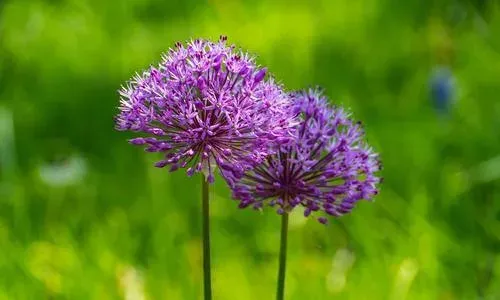
Description
Sowing dates
Planting of Allium altissimum should be performed in the autumn season when the soil temperature drops to 10–12°C. This timing ensures proper root establishment before the ground freezes.
In regions with harsh climates, bulbs must be planted 3 to 4 weeks before the first hard frost to allow the root system to develop without stimulating premature foliage growth.
The planting depth should typically be three times the diameter of the bulb. Adjusting this depth based on soil texture is essential; shallower planting is better in heavy soils, while deeper is preferred in sandy ones.
Spacing between individual bulbs should be at least 30 to 50 cm. Sufficient distance prevents overcrowding and ensures that each plant receives enough sunlight and nutrients for optimal development.
While spring planting is technically possible, it is generally discouraged as it often results in poor flowering performance for the first year, as the plant prioritizes vegetative growth.
Growing requirements
Allium altissimum, a member of the Amaryllidaceae family, originates from mountain ecosystems. It thrives in locations that receive full sun for the entire duration of the day.
The plant requires well-draining, fertile soil with a neutral to slightly alkaline pH. Excess moisture and waterlogging are detrimental and can easily lead to the rot of the bulb's basal plate.
During the active growing season, provide moderate irrigation. However, as the plant approaches its dormant phase after flowering, watering should be significantly reduced to allow the bulbs to mature.
While the species is hardy, applying a layer of organic mulch like compost or peat in late autumn can help regulate soil temperature and protect the bulbs from extreme winter fluctuations.
Fertilization with a balanced mineral mix should be performed twice a year: once at the beginning of the growth phase and again after the flowering period to support energy storage for the next season.
Main diseases and pests
Downy mildew (Peronospora) is a significant threat to the culture, especially during periods of high humidity and cool temperatures. It manifests as discolored spots on the leaves.
Neck rot is a common fungal infection that can occur during storage if the bulbs were not properly dried. Once infected, bulbs rapidly deteriorate and become unusable for planting.
The onion maggot is one of the most destructive pests for this species. Larvae bore into the bulb, causing stunted growth, yellowing foliage, and eventually the death of the entire plant.
Nematodes, which infest the roots, can cause severe deformities in the plant's structure. Regular soil sanitation and crop rotation are the most effective preventative measures.
Thrips are also problematic as they suck sap from the leaves, causing silvering and tissue weakening. Targeted insecticide treatments are necessary if infestations become widespread.
Harvesting
Seed harvesting should take place only after the seed heads turn brown and begin to dry naturally. It is important to collect them before the pods shatter and disperse the seeds prematurely.
Bulbs meant for division or relocation should be lifted from the soil once the foliage has completely withered and turned dry, which typically occurs in mid-to-late summer.
Once lifted, bulbs should be gently cleaned of soil and air-dried in a shaded, well-ventilated area for about 10 days to ensure any residual surface moisture is fully evaporated.
Optimal storage conditions involve maintaining a cool, dark, and dry environment. Temperatures between 15°C and 18°C are generally considered ideal for bulb longevity.
Dividing the bulb clusters every few years is highly recommended to prevent overcrowding, maintain the vigor of the plant, and ensure high-quality flower production year after year.