
Sharp-flowered garlic
Allium acutiflorum
Description
Growing requirements
Sharp-flowered garlic (Allium acutiflorum) is a perennial bulbous plant belonging to the Amaryllidaceae family. It is native to the Mediterranean region, particularly observed in the coastal zones of France and Italy, where it thrives in rocky habitats.
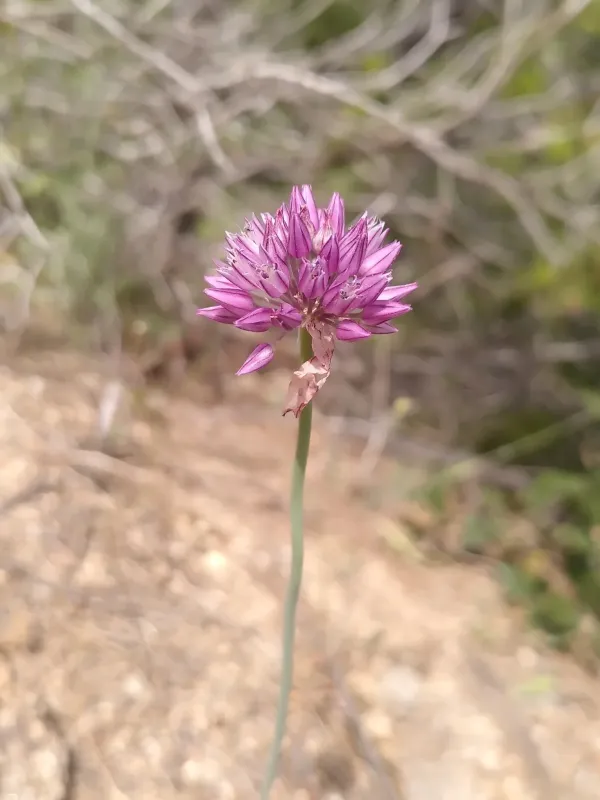
Botanically, the plant is characterized by thin, linear leaves and distinct umbels of star-shaped flowers that range from pale pink to deep lilac. It typically reaches a modest height, making it an ideal candidate for rock gardens and borders.
This species requires full sun exposure to flourish and maintain its structural integrity. Adequate sunlight is crucial for the photosynthesis process and the subsequent energy storage in the bulb necessary for the next flowering season.
Regarding soil preferences, it demands well-drained, porous media. Sandy or gravelly soils are optimal as they prevent moisture retention around the bulb, which is a major factor in maintaining the health of the plant throughout the year.
The plant is highly drought-tolerant once established. It follows a seasonal cycle that corresponds to Mediterranean climate patterns, involving active growth in spring and dormancy during the hot, dry summer months.
Main diseases and pests
The primary threat to the health of Allium acutiflorum is waterlogging. Excessive moisture in the soil quickly leads to bulb rot, a fungal condition that can destroy the plant root system within a few weeks.
Pests such as onion flies and thrips are common adversaries. These insects can cause significant damage to the foliage and stems, weakening the plant's overall vigor and making it susceptible to secondary infections.
Fungal diseases like downy mildew may appear if the environmental conditions are too humid. Proper spacing between individual plants is necessary to ensure adequate airflow, which effectively reduces the risk of such outbreaks.
Root-knot nematodes can also pose a serious challenge, as they affect the bulb structure. Using certified, healthy planting material and maintaining clean gardening tools are essential practices for disease prevention.
If rot is detected early, the affected plants must be removed and the surrounding soil treated with appropriate fungicides to stop the potential spread of pathogens to healthy specimens.