
Acis valentina
Acis valentina
Description
Growing requirements
Acis valentina is a perennial bulbous plant belonging to the Amaryllidaceae family. Native to the eastern parts of Spain, this species thrives in dry, rocky, and calcareous habitats, reflecting its Mediterranean origins.
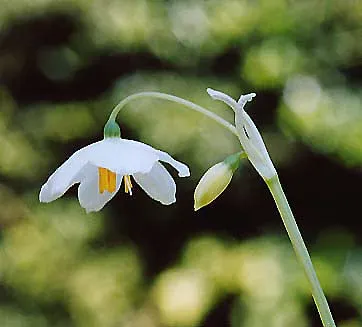
Botanically, the plant is characterized by its slender, grass-like foliage and delicate bell-shaped white flowers that typically bloom in late summer. It possesses a specialized life cycle adapted to seasonal drought and moisture patterns.
The primary requirement for successful cultivation is excellent soil drainage. Acis valentina does not tolerate waterlogged conditions, which lead to bulb rot; therefore, gritty or rocky substrate mixes are highly recommended.
Exposure to full sunlight is essential for the plant to thrive. It requires intense solar radiation during its active growth phases to properly develop, which is why it is often cultivated in open garden beds or alpine houses.
Temperature management is critical, as the species is accustomed to mild winters and hot summers. In non-Mediterranean climates, it must be protected from freezing soil temperatures, often requiring container cultivation to allow for seasonal relocation.
Main diseases and pests
The most significant threats to Acis valentina are fungal pathogens, specifically those causing basal rot. These diseases are almost exclusively linked to excessive soil moisture or poor drainage conditions.
Bulb-feeding pests, such as bulb mites, can damage the root system, causing stunted growth and eventual decline of the plant. Maintaining hygiene in the planting area is the best defense.
Aphids occasionally infest the flowering stalks, draining the plant's resources. Manual removal or the application of mild contact insecticides is generally sufficient to manage small outbreaks.
Slugs and snails can consume young leaves and developing buds during the damp spring months. Barrier treatments, such as crushed eggshells or copper tapes, are effective deterrents in garden settings.
Competition from vigorous weeds can overwhelm the small-statured Acis valentina. Regular weeding and maintaining a clean growing space are essential to ensure the plants remain vigorous and free from pests that harbor in dense vegetation.