
Acis tingitana
Acis tingitana
Description
Sowing dates
The ideal period for planting bulbs is late summer to early autumn, just before the first rains. This allows the roots to establish well before the temperature drops significantly.
Bulbs should be planted at a depth of 5 to 8 centimeters. Planting density is crucial; spacing should be maintained at roughly 10-12 centimeters to ensure adequate ventilation and prevent foliage overcrowding.
Propagation by seeds is a viable but slow method. Seeds should be sown immediately after maturation in a loose, sandy substrate, requiring consistent moisture and protection from extreme temperature fluctuations.
When handling bulbs, it is important to ensure the base plate is not damaged, as this is the primary point of root emergence. Careful placement in the soil helps maintain plant health from the beginning.
Vegetative division of bulb clusters is the most common method of propagation for mature specimens. This should be performed every 3 to 5 years once the foliage has withered, ensuring each bulb has adequate space to develop.
Growing requirements
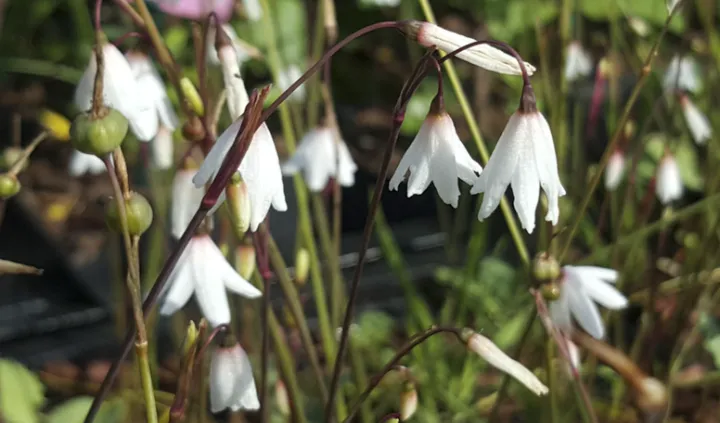
Acis tingitana is a perennial bulbous plant belonging to the Amaryllidaceae family. Native to the Mediterranean region, particularly Morocco, it is known for its elegant white flowers and specific growth patterns.
The plant thrives in well-draining, gritty, and lean soils. It is highly intolerant of waterlogged conditions, making high-quality drainage systems a prerequisite for successful cultivation in garden beds or pots.
Regarding climate, this species prefers mild winters and a distinct dry summer dormancy period. In regions with freezing temperatures, it must be grown in containers to allow for relocation during harsh winter conditions.
Bright, direct sunlight is essential for the healthy development of Acis tingitana. Insufficient light levels often result in weak, leggy stems and poor flower production, diminishing the ornamental value of the plant.
Watering requirements are strictly tied to the seasonal growth cycle. Watering should be increased during the autumn and winter growing phase and ceased entirely during the summer dormancy to prevent rot.
Main diseases and pests
Fungal diseases are the primary threat, particularly gray mold and Fusarium rot, usually caused by overwatering or poor soil structure. Maintaining a dry summer dormancy is the best preventative measure.
Pests such as bulb mites and nematodes can infest the plant from the soil. Using sterilized substrates and treating bulbs with fungicides before planting are effective strategies for long-term health.
Aphids and thrips may occasionally attack the tender leaves and flower buds. These pests can be managed through the application of mild horticultural oils or systemic insecticides approved for ornamental use.
Cold damage is a significant risk. Even though the plant is resilient, severe frost can destroy the embryonic flower buds inside the bulb, leading to a year without blooms.
Nutrient deficiency, specifically related to trace elements, can cause yellowing of the leaves. A light application of a low-nitrogen balanced fertilizer at the start of the growth phase helps maintain vigor.
Harvesting
Acis tingitana is primarily grown for its horticultural appeal, often found in specialized collections, rock gardens, and container displays rather than mass agriculture.
Seed harvesting should be timed carefully. Once the seed pods start to dry out and turn yellow, they should be collected and processed to ensure the seeds are not lost to wind or decay.
Bulb lifting for storage or division occurs during the dormant phase. After the leaves have died back, bulbs are cleaned, inspected for damage, and stored in a cool, dark, and well-ventilated environment.
When storing bulbs, use breathable materials like paper bags or wooden crates. Avoid plastic containers, as they trap moisture and encourage the development of mold or bacterial rot on the bulb scales.
Pruning is limited to the removal of withered foliage. It is essential to wait until the leaves turn completely brown, as this ensures the plant has successfully stored all necessary energy back into the bulb.