
Pink snowbell
Acis rosea
Description
Growing requirements
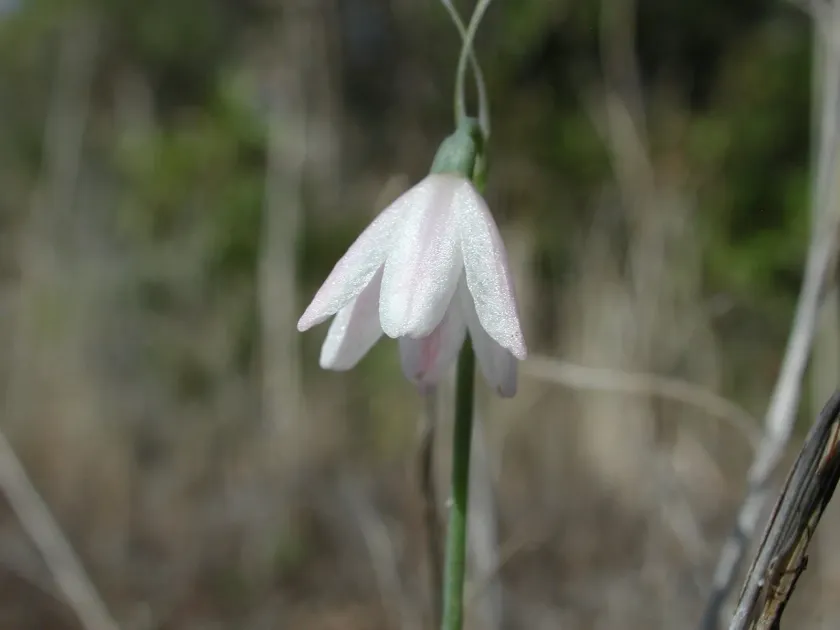
Acis rosea, commonly known as the pink snowbell, is a charming bulbous plant belonging to the Amaryllidaceae family. It is native to the islands of Corsica and Sardinia, where it thrives in rocky and sandy Mediterranean habitats.
This species requires a very specific environment to grow successfully. Full sun exposure is essential for the development of its delicate pink flowers and to ensure that the plant maintains its compact growth habit.
Regarding soil conditions, Acis rosea demands excellent drainage. A gritty or sandy soil mix is ideal to prevent moisture from accumulating around the bulb, which is highly susceptible to rotting in waterlogged environments.
The climate requirements are strictly Mediterranean. The plant needs a cool, moist growing season followed by a warm, dry summer dormancy. In colder regions, it is best grown in pots or containers that can be sheltered indoors.
Maintenance involves careful watering throughout the growing period, starting in late winter or early spring. Once the foliage begins to yellow after flowering, irrigation should be withheld to encourage the plant to enter its natural dormant state.
Main diseases and pests
Fungal diseases are the primary threat to this species, particularly gray mold or root rot. These issues are almost exclusively caused by poor drainage or excessive humidity around the bulbs during the dormant phase.
Pests such as bulb mites can be problematic, often attacking bulbs that are stressed or improperly stored. These small parasites can severely damage the basal plate, leading to the rapid decline of the plant.
Preventative care is essential for maintaining a healthy collection. Treating bulbs with a systemic fungicide before planting can significantly reduce the risk of soil-borne pathogens establishing themselves in your containers.
Monitoring the plant for signs of stress, such as stunted growth or yellowing leaves, is crucial for early intervention. If pests or diseases are detected, immediate isolation and chemical control are recommended.
Ultimately, providing a well-ventilated space and keeping the growth medium porous will mitigate most threats to the health and longevity of your Acis rosea plants.