
Disporopsis longifolia
Disporopsis longifolia Craib
Description
Growing requirements
Disporopsis longifolia is a perennial plant species belonging to the Asparagaceae family. Native to the woodlands of Southeast Asia, it is a rhizomatous herb that has gained attention for its specific pharmacological properties.
This crop thrives in shaded environments, mimicking the understory conditions of tropical forests. It requires consistent moisture and temperatures ranging from moderate to warm, making it ideal for shaded nursery settings.
The ideal growing medium is organic-rich, slightly acidic, and light-textured soil. Adequate drainage is essential to prevent rhizome rot, which is a common physiological problem if the soil remains waterlogged.
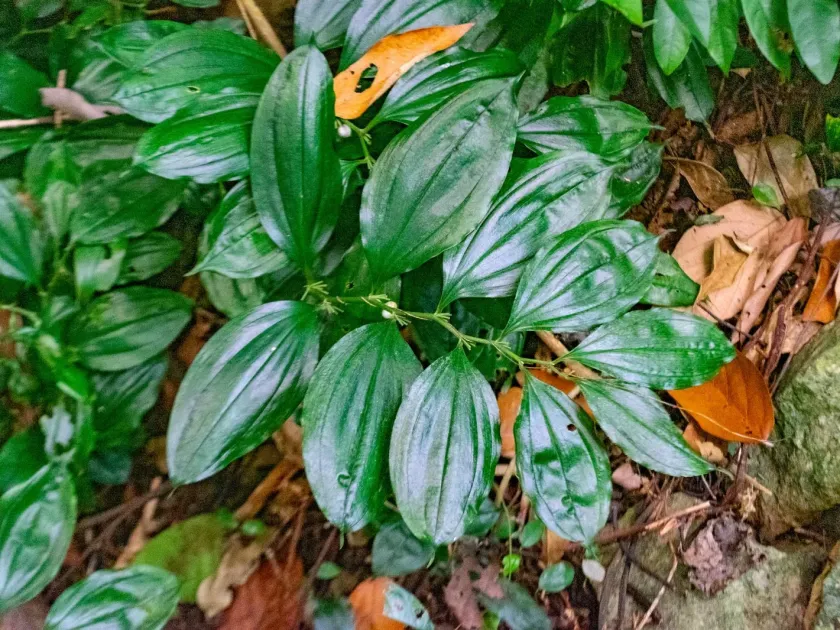
Botanically, the plant is characterized by its long, lanceolate leaves and white, waxy flowers. It typically reaches a moderate height, making it well-suited for controlled cultivation and harvesting of its subterranean parts.
In terms of agricultural use, the primary focus is the cultivation of its rhizomes, which are harvested for specialized medicinal preparations. The plant serves both as an ornamental and a botanical source of bioactive compounds.
Main diseases and pests
Root rot is the most significant threat to Disporopsis longifolia, usually triggered by poor drainage or excessive irrigation. Maintaining a balance in soil moisture is the primary preventative measure.
Slugs and snails are the most frequent pests, particularly in humid and shaded environments where the plant is grown. Implementing physical barriers or organic pest control is recommended for plantation protection.
Spider mites may occasionally infest the plants if the ambient humidity drops significantly. Maintaining a humid microclimate is the most effective natural defense against this pest.
Fungal leaf spots can appear if air circulation is inadequate. Proper spacing between individual plants during the planting phase is essential to maintain plant health and prevent the spread of diseases.
Overall farm hygiene, including the removal of dead foliage and maintaining clean equipment, is critical for mitigating the risk of pathogen accumulation in the soil.