

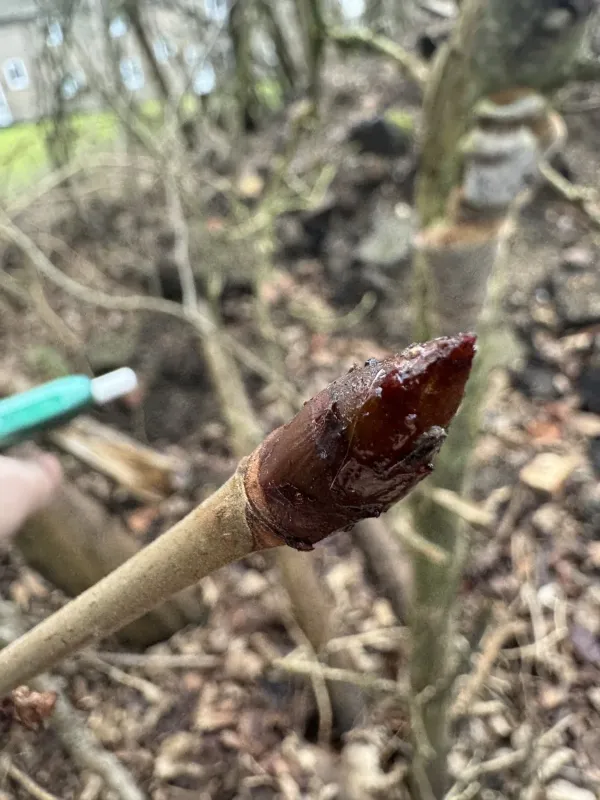
Description
Sowing dates
Sowing of horse chestnut (Aesculus hippocastanum) seeds is typically carried out in the autumn, immediately after collection, to ensure natural stratification in the soil. Seeds are sown at a depth of 8–10 centimeters, maintaining a distance of 30 centimeters between rows.
Spring sowing is only possible if seeds have undergone prior stratification in moist sand at temperatures ranging from +2 to +5 degrees Celsius for 3–4 months. Without this process, germination rates drop significantly due to the density of the seed coat.
The optimal time for transplanting seedlings into the soil is either early spring or mid-autumn, when the tree is in a state of dormancy. Planting pits are prepared according to the root system size, incorporating drainage layers and humus.
In industrial or nursery cultivation, maintaining moderate soil moisture until germination is crucial. Seedlings emerge quite uniformly, but they require protection from direct sunlight and weed competition during the first two years of development.
Propagation can also be performed vegetatively, although the seed-based method remains the most widely used and cost-effective approach for forestry. Careful selection of seed material is necessary, discarding any fruits damaged by pests.
Growing requirements
The horse chestnut belongs to the Sapindaceae family and prefers deep, fertile, loamy soils with moderate moisture levels. The crop reacts negatively to arid, sandy soils and areas prone to waterlogging or high water tables.
The tree is light-demanding but can tolerate partial shade during its juvenile stage. Mature specimens exhibit high winter hardiness, making them suitable for urban landscaping in temperate climatic zones.
Climatic conditions should ideally be temperate continental. The horse chestnut is sensitive to high soil salinity and excessive air pollution, which often limits its use in major industrial urban centers.
Adequate space is required for proper canopy development, as the tree is a large deciduous plant that can reach heights of 25–30 meters. Rapid growth is observed during the first 20–30 years of its life cycle.
Agrotechnical management includes regular irrigation during summer droughts and the application of organic fertilizers in the root zone. Mulching the soil helps conserve moisture and prevents overheating of the root collar.
Yield
The commercial use of the horse chestnut is centered on harvesting the fruits (seeds), which contain valuable bioactive compounds like aescin. Harvesting takes place after the fruits drop from the tree in September or October.
The yield of a mature tree varies based on its age and growing conditions. A single specimen in its fruiting phase can produce between 10 and 30 kilograms of seeds annually with proper maintenance.
Fruiting typically begins at 10–15 years of age. Productivity peaks between the ages of 30 and 50, when the tree has fully formed its canopy and possesses sufficient nutritional reserves.
The primary application for the harvest is the pharmaceutical industry. Extracts from the seeds and bark are used to manufacture venotonic agents, ointments, and treatments for various vascular conditions.
The wood of the horse chestnut is of moderate value; it is soft and light, making it suitable for furniture production, decorative finishes, and joinery that is not subject to high mechanical stress.
Main diseases and pests
The main threat to the species in recent decades has been the horse chestnut leaf miner (Cameraria ohridella), whose larvae damage the leaf blades, causing premature leaf drop and weakening the plant's overall vitality.
Common fungal diseases include leaf blotch caused by Guignardia aesculi. The disease manifests as brown spots with yellow margins, which reduces the tree's photosynthetic efficiency and aesthetic value.
Powdery mildew can also affect weakened trees, coating the leaf surface with a white fungal layer. Control involves applying fungicides at the start of the vegetative season and removing fallen infected leaves.
Damage to the bark by various rots and cankers can lead to tree mortality, so avoiding mechanical injuries during maintenance is essential. Sanitary pruning of diseased branches is necessary to keep plantations healthy.
- Timely removal and destruction of infected leaves in autumn to reduce the miner moth population.
- Application of systemic insecticides during severe pest outbreaks.
- Adherence to proper agro-management to improve the plant's natural resistance.
Harvesting
Harvesting horse chestnut fruits is done mechanically or manually after they naturally fall from the capsules to the ground. On a commercial scale, daily harvesting is important to prevent spoilage due to moisture.
After collection, the fruits are cleaned of their husks, sorted by size and maturity. Quality raw material should be firm, with a shiny dark-brown surface, showing no signs of mold or rodent damage.
Drying the collected material is carried out in ventilated rooms or specialized industrial dryers at temperatures not exceeding 40–45 degrees Celsius. Ensuring uniform drying is critical to prevent fungal growth inside the seeds.
Dried raw material should be stored in dry, dark, and well-ventilated warehouses using fabric bags. If stored correctly, the shelf life of high-quality seeds can reach 2–3 years.
During the harvest, it is vital to correctly identify the botanical species, as the sweet chestnut (Castanea sativa) differs significantly in composition and usage; therefore, avoiding contamination between varieties is a critical production requirement.
Content graph
Connections · Horse chestnut
Most often together:
Marketplace
Products · 8


Fungisol
Джі. Джі. МАУГЕТ КОМПАНІ (J.J. MAUGET COMPANY), США
Fungicides
0
0
·
41
1 offer
25.09 €per pack
Buy


Abasaid 2
Джі. Джі. МАУГЕТ КОМПАНІ (J.J. MAUGET COMPANY), США
Insecticides
0
0
·
78
No offers
—
Details