
Hybrids of Acer palmatum and Acer pseudosieboldianum
Hybrieds between Acer palmatum and Acer pseudosieboldianum
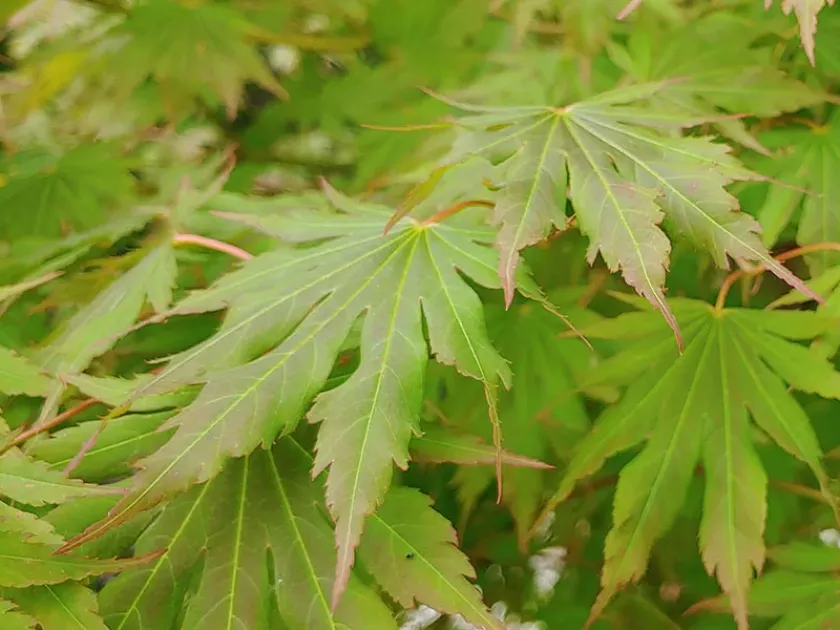
Description
Growing requirements
These hybrids are members of the Sapindaceae family, created by crossing the delicate Japanese maple with the cold-hardy Korean maple. This hybridization significantly expands the cultivation range, allowing gardeners to enjoy unique foliage patterns in colder northern climates.
Plants thrive in locations with partial shade, particularly protected from intense afternoon sun that can scorch leaves. An eastern exposure is ideal, providing sufficient light for vibrant leaf color while keeping the root zone cool and moist during the heat of the day.
The preferred soil type is well-drained, acidic, and rich in organic matter. If planting in heavy clay, it is essential to amend the soil with compost and create a raised bed or drainage layer to prevent root suffocation and standing water.
Consistent moisture is key for healthy growth. Young trees require deep watering during dry spells, while mature specimens benefit from organic mulch around the base. This mulch layer suppresses weeds and helps maintain the soil moisture levels required for optimal development.
General care involves minimal pruning, primarily to remove dead or crossing branches to maintain tree health and shape. Feeding should be done sparingly in early spring using a slow-release fertilizer balanced for acid-loving ornamental woody plants.
Main diseases and pests
Spider mites are the most common pest, especially in dry and hot conditions. Symptoms include fine webbing on the undersides of leaves and a stippled, dusty appearance. Regular inspection and misting can discourage infestations, while horticultural oils are effective for treatment.
Verticillium wilt is a serious fungal disease that attacks the vascular system. Symptoms include sudden wilting and dieback of individual branches. Unfortunately, there is no chemical cure, so pruning back to healthy wood and sanitizing tools is the primary management strategy.
Powdery mildew often appears in late summer, manifesting as a white fungal dusting on leaf surfaces. It is typically a cosmetic issue, but severe cases can be managed with neem oil or specific fungicides to improve the appearance and health of the tree.
Leaf spot diseases can occur during prolonged periods of high humidity. To prevent these, ensure proper air circulation around the crown and always clean up fallen debris in the autumn to reduce the pathogen load in the garden environment.
Root rot is almost exclusively caused by overwatering or poor drainage. Ensure that the soil is not permanently waterlogged, as oxygen deficiency in the root zone quickly leads to tree decline and potential mortality in sensitive hybrid cultivars.