
Shirasawa maple
Acer shirasawanum Koidz.
Description
Growing requirements
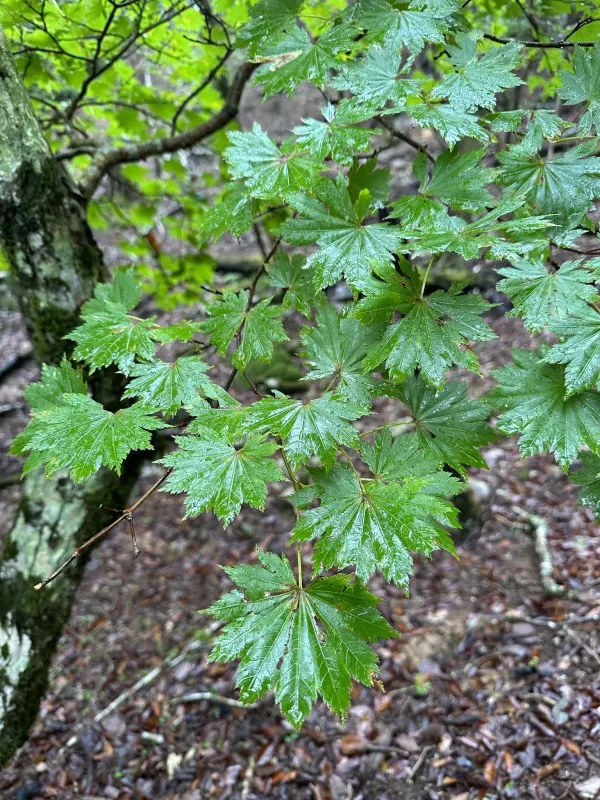
The Shirasawa maple (Acer shirasawanum) is a deciduous tree belonging to the Sapindaceae family, native to the mountainous regions of Japan. It is highly valued in horticulture for its distinct palmate leaves and stunning autumn foliage colors.
This species requires rich, slightly acidic to neutral, and well-draining soil. It is essential to ensure that the planting site prevents waterlogging, as the root system is sensitive to low oxygen levels in saturated soils, which often leads to root rot.
Optimal site selection includes partial shade or dappled sunlight. While the plant can tolerate some morning sun, excessive afternoon heat and direct light may scorch the delicate foliage, particularly in cultivars with lighter or golden leaf variations.
Maintenance involves consistent moisture management, especially during the first years of establishment. Applying organic mulch around the base of the tree is highly recommended to regulate soil temperature and retain moisture in the root zone.
Shirasawa maples are primarily utilized as ornamental specimens in landscape design. Due to their relatively slow growth rate and elegant architecture, they are perfect for focal points in garden beds, Japanese-style landscapes, and large container plantings.
Main diseases and pests
Verticillium wilt is a significant threat to Acer shirasawanum, caused by soil-borne fungi that invade the vascular system. Affected branches typically die back rapidly, necessitating careful pruning and tool sterilization to avoid spreading the infection.
Pests such as aphids and spider mites can infest the foliage, particularly during dry and hot weather. Monitoring the undersides of leaves and utilizing insecticidal soaps or horticultural oils can help control these populations effectively.
Leaf spot diseases, often fungal in origin, may appear during prolonged wet weather. Improving air circulation by proper pruning and removing fallen debris helps minimize the risk of spore germination and disease proliferation.
Winter injury can occur if the plant is not properly protected or if the season is unusually harsh. Providing shelter from cold, drying winds and insulating the root zone are crucial steps to ensure survival in cooler hardiness zones.
Nutrient deficiencies or improper soil pH can cause chlorosis, which manifests as yellowing leaf tissue. Soil testing and the application of balanced, slow-release fertilizers can correct these imbalances and promote healthy development.