
Tatarian maple
Acer tataricum L.
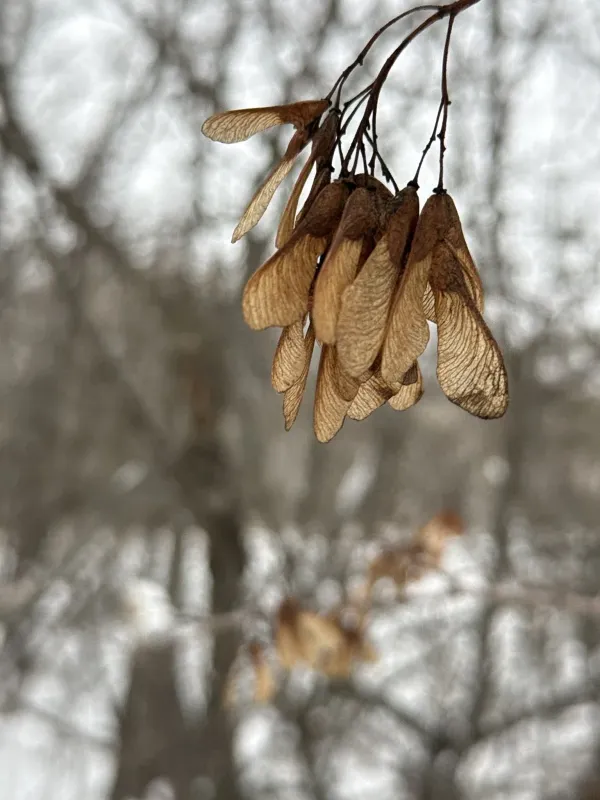
Description
Sowing dates
Propagation of Tatarian maple is primarily achieved through seeds, which require stratification to break dormancy. Seeds collected in autumn should be sown immediately to undergo natural winter chilling in the ground.
If spring sowing is preferred, seeds must be artificially stratified in a cold environment (1–5°C) for at least 90 days. Moist sand or peat should be used as a medium to prevent seed desiccation during the storage period.
Seeds are sown in furrows at a depth of 2 to 3 centimeters. The soil must be kept moist throughout the germination phase to ensure a high success rate and uniform emergence of seedlings.
During the first year, seedlings require protection from excessive heat and competition from weeds. Regular weeding and moderate watering are essential to promote vigorous root development.
Once seedlings reach a height of approximately 30–50 centimeters, they are ready for transplanting to nursery beds or their permanent landscape locations. The species is known for its high transplanting success rate.
Growing requirements
The Tatarian maple is a highly adaptable deciduous shrub or small tree, valued for its extreme hardiness. It thrives in full sun but tolerates partial shade conditions exceptionally well.
This species is well-suited for diverse soil types, including sandy, loamy, and clay soils, provided they are well-drained. It is notably more tolerant of alkaline and saline soils compared to many other maples.
Drought tolerance is one of the key characteristics of Acer tataricum. Once established, it can withstand prolonged dry spells, making it an excellent choice for windbreaks and shelterbelts in arid regions.
Cold hardiness is remarkable, as the plant can withstand severe frosts typical of continental climates. No special winter protection is required for established trees in most temperate zones.
Maintenance involves routine pruning to maintain a desired shape or to encourage dense foliage. It responds very well to regular shearing, which makes it ideal for use in formal hedges and screens.
Main diseases and pests
Powdery mildew is the most common fungal disease affecting the foliage of Tatarian maple. It typically occurs in late summer under conditions of high humidity and poor air circulation.
Pests such as aphids and leaf-eating beetles can cause minor aesthetic damage to the leaves. Monitoring the health of the plant during the growing season allows for early intervention with mild pesticides.
Nectria canker, a fungal pathogen, may affect trees that are stressed or injured. Management involves removing and destroying infected branches to prevent the spread of spores to healthy tissue.
Maintaining a healthy, well-nourished tree is the best defense against pests and diseases. Proper spacing and avoiding over-fertilization help to maintain the plant's natural resistance.
Integrated pest management strategies should be employed if infestation levels become critical. Always prioritize cultural practices such as pruning and site improvement before resorting to heavy chemical use.