
Field maple
Acer campestre L.
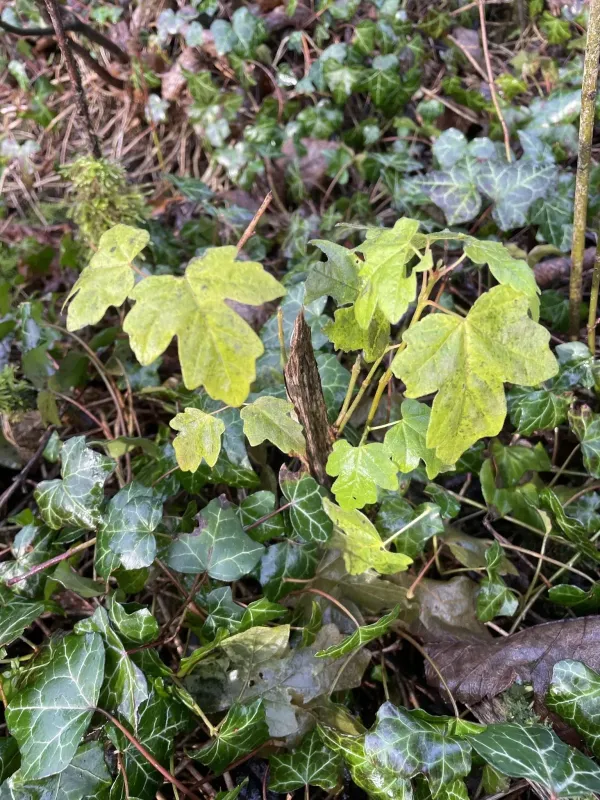
Description
Sowing dates
Field maple seeds, which are winged samaras, should ideally be sown in autumn immediately after harvest. This timing allows the seeds to undergo necessary winter stratification naturally, ensuring a better germination rate in the following spring.
For spring sowing, artificial stratification is mandatory. Seeds should be stored in a cold, moist environment at temperatures between 1°C and 5°C for at least 90 to 120 days to break dormancy before being planted in the field.
The sowing depth is typically 3 to 5 centimeters. On lighter, sandier soils, a slightly deeper planting is recommended to prevent the seeds from drying out, while a shallower depth is preferred for heavy loam soils to avoid burying them too deeply.
In nursery environments, seeds should be spaced in rows with 30 to 40 centimeters of distance between them. This spacing facilitates mechanical weeding and ensures that each seedling has adequate access to nutrients and light during the critical first year.
Consistency in soil moisture is vital during the germination phase. The soil should be kept lightly moist, as the young radicles are highly susceptible to desiccation. Once seedlings emerge, they can tolerate slightly drier conditions as they establish their root systems.
Growing requirements
Acer campestre is a highly adaptable species regarding soil quality. While it thrives best in deep, fertile, and well-drained loams, it exhibits remarkable tolerance for alkaline, calcareous, and rocky soil substrates.
One of the key agronomic advantages of the Field maple is its superior resistance to drought and wind. This makes it an ideal choice for shelterbelts and hedgerows in exposed agricultural landscapes where other species might struggle to survive.
The species has moderate light requirements. Young plants are somewhat shade-tolerant, allowing them to grow in the understory during their early years, but they require full sun or partial shade as they mature to develop a dense and robust canopy.
Field maple is fairly hardy in temperate climates. However, in regions prone to extreme frost, young specimens may require protective mulching around the root zone to prevent frost heave and damage to the shallow root system.
Maintenance involves regular weeding of the area immediately surrounding the sapling. This reduces nutrient competition and allows the tree to focus its energy on vertical growth during the establishment period of the first three to five years.
Yield
The economic yield of Field maple is primarily focused on timber production and ecosystem services. The wood is dense, strong, and highly valued in the production of fine furniture, musical instruments, and high-precision woodturning projects.
In silvicultural management, trees are typically harvested when they reach a certain diameter, which requires decades of growth. As a slow-growing hardwood, it provides a stable and long-term investment for sustainable forest management plans.
Field maple acts as a significant early-season nectar source for pollinators. Its ability to bloom in spring provides essential resources for honeybee colonies, which helps strengthen their populations early in the agricultural season.
As a landscape component, it offers high biological yield in terms of carbon sequestration and soil stabilization. Its dense root network makes it an excellent choice for stabilizing slopes and preventing soil erosion in agricultural watersheds.
Seed production varies from year to year, depending on the climatic conditions during the flowering phase. Abundant seed crops typically occur every two to three years, providing ample material for natural regeneration or seed collection for nursery use.
Main diseases and pests
Powdery mildew is a common fungal threat to Field maple, especially in areas with poor airflow and high humidity. It manifests as a white, dusty layer on the foliage, which can stunt tree growth if left unmanaged.
Coral spot disease (Nectria cinnabarina) is another pathogen that targets the branches, often appearing after the tree has been stressed by drought or improper pruning. It requires careful removal of dead wood and sterilization of pruning tools.
Insect pests, such as aphids and various leaf-eating beetles, can cause significant damage to the canopy. Regular monitoring is necessary to determine if populations have reached an economic threshold requiring integrated pest management.
Verticillium wilt is a serious vascular disease that can affect the longevity of the tree. Since it is soil-borne and enters through the roots, it is essential to avoid deep cultivation near the base of the trunk to prevent root damage.
Wildlife damage, particularly from browsing deer or rabbits during the winter months, can be a major issue for young plantings. Protective tubing or wire guards are standard precautions used to prevent bark stripping and ensure the survival of the saplings.