
Zygophyllum fontanesii
Zygophyllum fontanesii
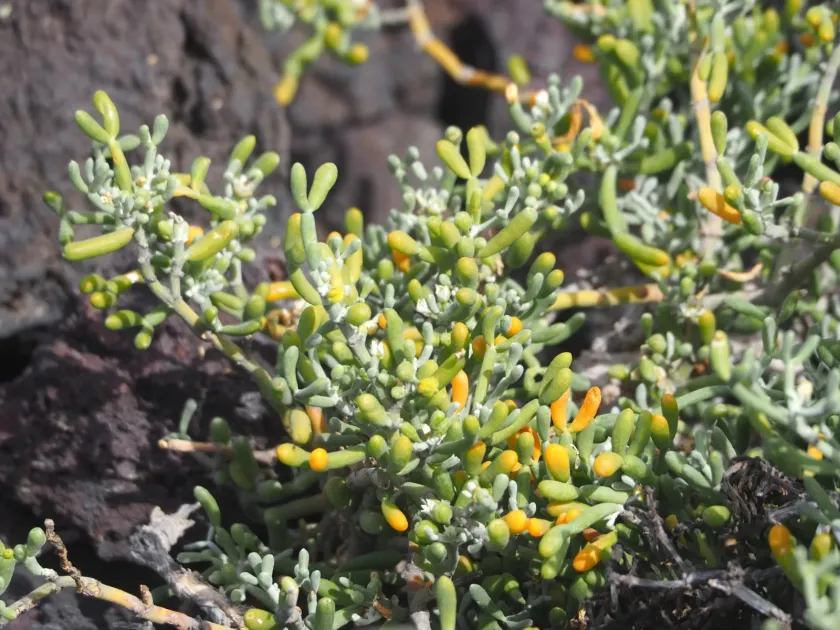
Description
Sowing dates
Sowing of this crop should be conducted when soil temperatures reach at least 20-25 degrees Celsius. The optimal time for planting is during the spring months, taking advantage of residual moisture following winter precipitation in its native habitats.
To achieve high germination rates, seeds of Zygophyllum fontanesii require pretreatment, such as scarification, due to the tough seed coat typical of many Zygophyllaceae species. This ensures uniform emergence of seedlings across the field.
The optimal sowing depth for industrial cultivation is between 1.5 and 3 centimeters. Excessive depth can significantly delay germination, as young seedlings may struggle to penetrate denser soil layers.
Planting density is a crucial factor depending on whether the primary goal is biomass production or soil phytoremediation. It is recommended to maintain a row spacing of at least 60 centimeters to ensure adequate light exposure and air circulation.
Initial irrigation following sowing should be moderate but regular until the first set of true leaves is established. Once the plants are settled, they exhibit high levels of xerophytic adaptation and can thrive with minimal water.
Growing requirements
Zygophyllum fontanesii is an obligate halophyte, meaning it performs best in saline soils where traditional agricultural crops cannot survive. The plant has evolved to tolerate high concentrations of chlorides and sulfates within the soil profile.
The culture has high light intensity requirements to maintain normal metabolism and biomass accumulation. It requires full sunlight exposure throughout the day, which is naturally available in the arid regions where it originates.
The ideal soil conditions for this plant are sandy or sandy-loam soils with low organic matter content. Heavy clay soils, which possess poor aeration, can lead to root system suppression and plant decline.
Climatic requirements are characterized by high summer temperatures and low relative air humidity. The plant employs advanced transpiration regulation mechanisms, making it exceptionally well-suited for extremely dry conditions.
Despite its high ecological plasticity, Zygophyllum fontanesii reacts poorly to waterlogging. Prolonged water stagnation can lead to root rot and complete failure of the crop stands, necessitating good drainage.
Yield
The green biomass yield of Zygophyllum fontanesii depends heavily on the level of soil salinity and moisture availability during the active growing season. While naturally limited, productivity can be boosted significantly with supplemental irrigation.
Industrial field trials have shown that applying minimal doses of nitrogen fertilizers can increase above-ground biomass by 15-20 percent. However, excessive fertilization is unnecessary and potentially detrimental to this highly adapted plant.
Seed production is a critical metric for crop propagation. Mature seeds demonstrate high viability, which allows for the efficient replenishment of field areas if managed correctly during the harvest process.
The primary agricultural output is the succulent green matter, which maintains its turgor even during peak summer heat. This biomass serves as a valuable emergency fodder for livestock, such as camels and small ruminants in arid zones.
The economic viability of cultivation is determined by the initial costs of saline land preparation and the logistics of collecting and processing the biomass in large-scale operations.
Main diseases and pests
Zygophyllum fontanesii is highly resistant to most pathogens that affect traditional crops. This natural defense is primarily due to the unique secondary metabolites found within its tissues.
Potential threats include fungal infections during periods of abnormally high humidity coupled with poor field ventilation. Under such conditions, powdery mildew may occasionally develop on younger leaves.
Pests such as locusts or specific weevil species may occasionally cause damage during mass outbreaks. However, due to the plant's chemical composition, pest infestations are generally sporadic rather than chronic.
Root nematodes can pose a risk if the plant is grown continuously in the same fields over many years. Implementing a proper crop rotation plan is advisable to maintain soil health, despite the limited alternative crop options for these environments.
Management strategies for pests and diseases should focus primarily on maintaining optimal aeration. The use of chemical pesticides should be minimized, adhering to strict environmental standards and economic cost-benefit analyses.
Harvesting
Harvesting of the green biomass is best performed using mechanical equipment during the full flowering stage, when nutrient concentrations in the stems are at their peak. At this time, the plant offers the highest quality forage.
To minimize losses during harvest, the use of field shredders mounted directly on the machinery is recommended. This allows for the immediate preparation of material for ensiling or mechanical drying.
Preserving the integrity of the root system is vital for perennial harvest plans. Leaving a stubble height of 10-15 centimeters facilitates rapid regrowth of shoots after the harvesting process is complete.
The drying process for the harvested biomass must occur in high-ventilation environments to prevent spoilage. In desert conditions, solar drying is the most efficient and cost-effective method available.
Seed harvesting requires specialized headers to prevent the capsules from shattering upon maturity. Timely collection in the early morning hours is essential to keep seed loss to a minimum.