
Zephyranthes tsouii
Zephyranthes tsouii
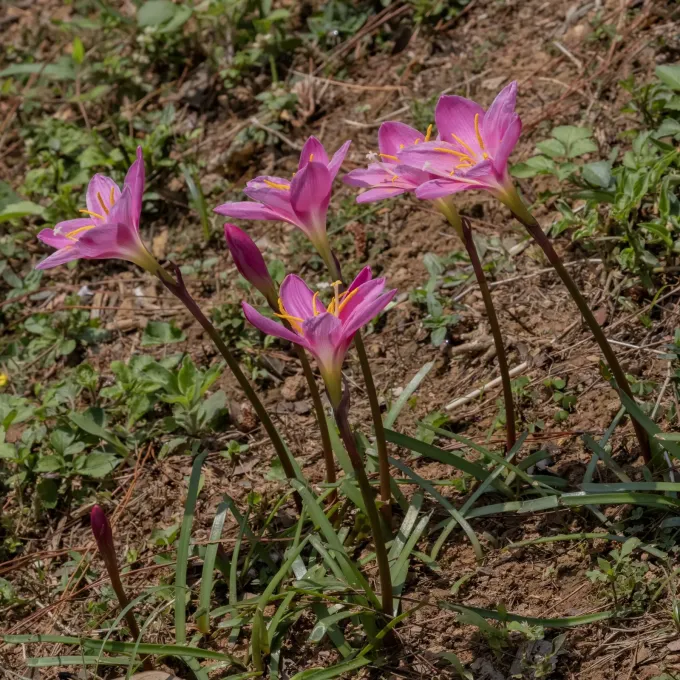
Description
Growing requirements
Zephyranthes tsouii is a distinct species within the Amaryllidaceae family, primarily native to high-altitude regions of Taiwan. It is recognized for its unique adaptation to mountainous microclimates, making it a prized specimen for collectors.
This species thrives in bright, indirect light. While it requires significant sunlight for healthy development, it is sensitive to intense, direct afternoon sun, which can cause dehydration and leaf scorch in container-grown plants.
The ideal growing medium must be highly porous and well-draining. A mix consisting of loamy soil, coarse sand, and organic matter is recommended to prevent water accumulation around the bulb, which is crucial for preventing root rot.
Temperature management is key to the cultivation of Zephyranthes tsouii. It requires a distinct warm growing season, preferably between 20°C and 25°C, followed by a cooler dormant period to ensure the bulb cycles correctly for the next bloom.
Watering frequency should strictly correlate with the plant's growth stage. During the active growing period, keep the soil consistently moist but never soggy. During dormancy, reduce watering drastically to prevent rotting of the dormant bulb.
Main diseases and pests
The most significant threat to this culture is fungal decay caused by waterlogged soil. Stagnant water around the bulb creates an environment conducive to bacteria, which can destroy the root system in a very short time.
Spider mites are a common concern in indoor environments or greenhouses with low humidity. These pests feed on sap, leading to yellowing leaves and a general decline in the plant's aesthetic and biological health.
Thrips may target the developing flower buds, causing malformation or failure to open. Early detection and the application of suitable horticultural oils or systemic insecticides are effective measures against such infestations.
Root mites pose a specific challenge during the dormant storage period. If bulbs are stored in environments with inadequate ventilation or residual moisture, these pests can quickly compromise the integrity of the planting stock.
Fungal leaf spots can occur when the plant is kept in conditions with poor air circulation. Improving airflow and removing infected debris from the surface of the growing medium are critical preventive actions.