
Zephyranthes smallii
Zephyranthes smallii
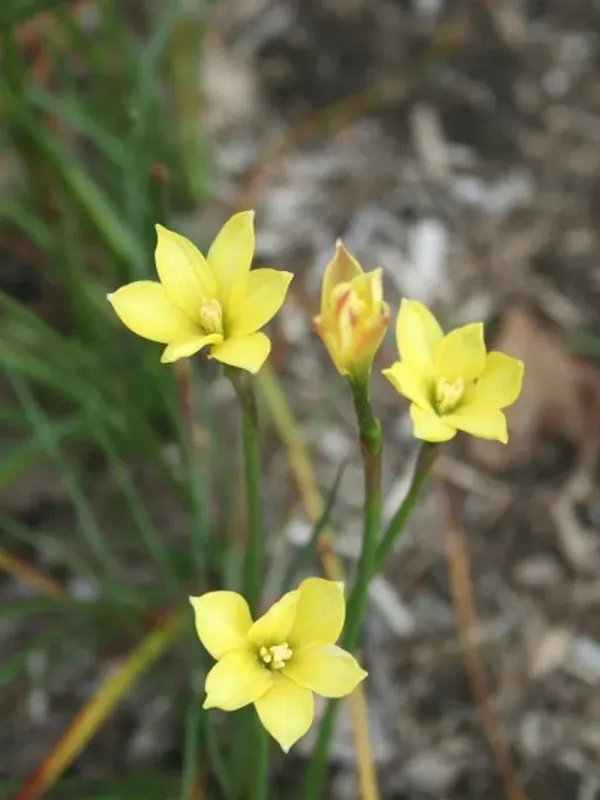
Description
Sowing dates
Zephyranthes smallii is a perennial bulbous plant belonging to the Amaryllidaceae family. It is known for its rapid propagation via offsets, making it a viable candidate for specialized ornamental bulb production.
Planting of bulbs is carried out during the spring season once soil temperatures consistently exceed 15 degrees Celsius. Bulbs should be planted at a shallow depth to ensure the neck remains at or slightly above the soil surface level.
Propagation is primarily achieved by separating offsets from mature bulbs during the dormant phase or early spring. This ensures that the progeny retain the exact genetic traits of the parent plant.
Seed sowing is a secondary method, performed in a greenhouse environment under controlled humidity and temperature to facilitate germination. The process requires patience, as plants grown from seed take longer to reach the flowering stage.
Optimal planting density is critical for aeration and light penetration; spacing bulbs approximately 10–15 centimeters apart helps prevent overcrowding and promotes healthy bulb development.
Growing requirements
Native to specific regions in North America, this species thrives in climates that offer warm growing seasons and high light intensity. Exposure to direct sunlight is essential for stimulating bud formation and preventing leggy growth.
The substrate must be light, well-draining, and rich in organic matter. A mixture of loam, coarse sand, and peat moss is ideal for ensuring that water does not stagnate around the bulb, which is a common cause of failure in this species.
During the active growth stage, plants require consistent moisture. However, it is vital to reduce irrigation as the season progresses towards autumn to signal the natural dormancy phase.
The plant is sensitive to frost, necessitating that bulbs be lifted and stored in a cool, dry location in regions where temperatures drop significantly below freezing during winter.
Nutrient management involves balanced liquid fertilizers applied during the peak growth period. Avoiding excessive nitrogen is crucial to maintaining a healthy balance between leaf production and overall bulb maturity.
Main diseases and pests
Common pests include spider mites and scale insects, which can thrive in low-humidity environments. Regular inspection and the application of appropriate acaricides are recommended to manage these threats.
Fungal pathogens such as Fusarium wilt and basal rot pose the most significant risk to the bulbs. These diseases are usually exacerbated by poor soil drainage and overly dense planting patterns.
Preventive measures include the disinfection of bulbs before planting and maintaining clean sanitation standards in the field or nursery. Infected bulbs should be immediately removed and destroyed to prevent spreading.
Thrips may occasionally infest the leaves, causing discoloration. Integrated pest management strategies, such as using yellow sticky traps and selective biological controls, can be effective in maintaining plant health.
Proper harvest and post-harvest handling of the bulbs are essential for maintaining quality. Bulbs should be dried carefully before storage to avoid moisture-related decay during the winter period.