
Zephyranthes simpsonii
Zephyranthes simpsonii
Description
Growing requirements
Zephyranthes simpsonii is a fascinating bulbous perennial belonging to the Amaryllidaceae family. Native to the damp prairies and sandy coastal plains of Florida, this species is well-adapted to environments that experience cyclic wet and dry periods throughout the growing season.
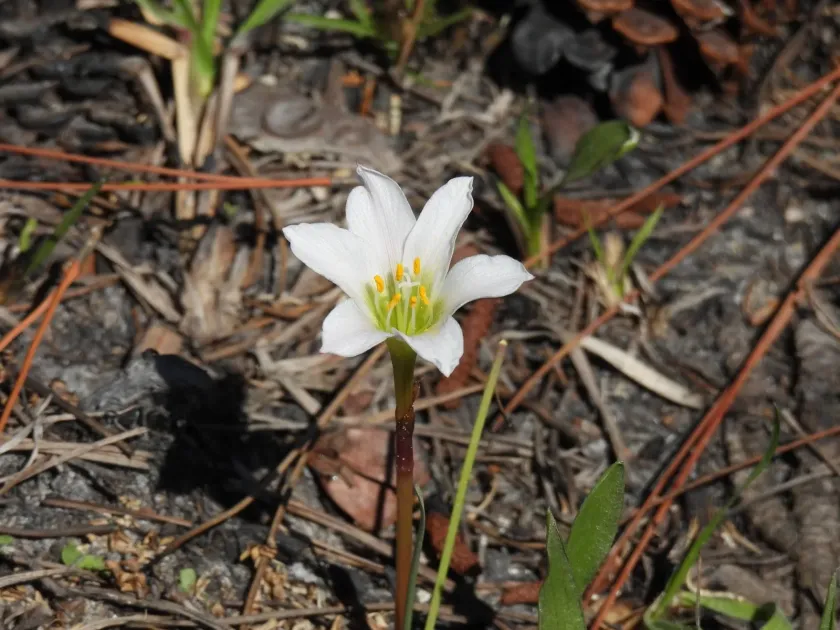
The plant features small, globose to ovoid bulbs that support slender, dark green, grass-like leaves. Its defining characteristic is the production of white, star-shaped flowers that emerge on solitary scapes, typically following significant rainfall events, earning it the common name of rain lily.
Cultivation requires a growing medium with excellent drainage capabilities to prevent the root system from becoming waterlogged. Sandy loam mixtures that allow for rapid percolation are ideal for ensuring the health and longevity of the bulbs.
This species thrives under full sun exposure, which is necessary to stimulate the blooming process. In agricultural or garden settings, it is best placed in areas receiving direct morning and afternoon sun to mimic its natural open-meadow habitat.
Temperature management is critical, as Zephyranthes simpsonii is not cold-hardy. It requires warm temperatures for vegetative growth and a distinct period of dormancy in a cool, dry environment to trigger the physiological changes necessary for flowering in the following season.
Main diseases and pests
The primary pest affecting this species is the spider mite, which flourishes in hot and dry indoor or greenhouse conditions. Regular monitoring of the leaf undersides is essential, and any infestations should be treated with appropriate acaricides or systemic insecticides.
Fungal pathogens such as Stagonospora curtisii can pose a significant threat to the bulb integrity. Known as red blotch, this disease manifests as reddish streaks and lesions, which can eventually lead to tissue decay if not managed through fungicide applications.
Poor soil aeration and excessive irrigation often lead to various forms of basal and root rot. To mitigate this risk, it is advised to allow the soil to dry out slightly between waterings, ensuring the bulb base remains free from constant moisture contact.
Thrips may occasionally target the flower buds, causing them to deform or fail to open properly. Implementing an integrated pest management strategy that includes the use of sticky traps and targeted sprays can help keep these populations at manageable levels.
During storage of dormant bulbs, improper moisture control can lead to Penicillium mold growth. Ensuring adequate air circulation around stored bulbs and maintaining a consistently low humidity environment are vital for successful preservation until planting time.