
Zephyranthes refugiensis
Zephyranthes refugiensis
Description
Growing requirements
Zephyranthes refugiensis is a rare bulbous perennial belonging to the Amaryllidaceae family. It is endemic to a very specific range in the coastal areas of Refugio County, Texas, which dictates its preference for specialized habitat conditions.
The plant thrives in well-draining, sandy soils that mimic its natural prairie environment. It is highly sensitive to soil moisture levels; therefore, excellent drainage is the most critical factor for its long-term survival in cultivation.
Cultivation requires a distinct seasonal cycle. During the growing season, consistent moisture is necessary to stimulate bulb growth, while a dry rest period is essential to initiate the blooming response after the plants have been exposed to moisture pulses.
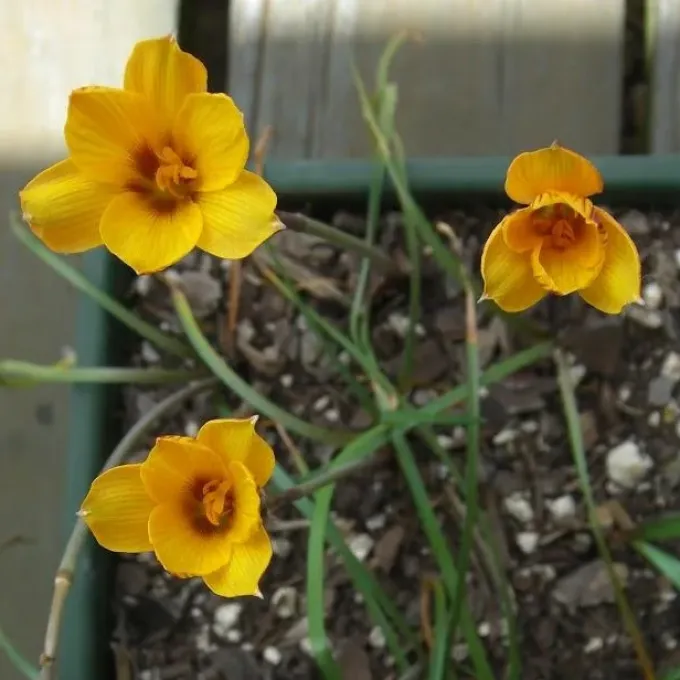
Full sun exposure is required for the plant to produce its characteristic funnel-shaped flowers. Inadequate light will result in leggy foliage and a lack of bloom production, weakening the bulb over time.
Given its limited natural distribution, Zephyranthes refugiensis is considered a prized specimen for botanical collections. Gardeners must ensure that temperatures remain above freezing to prevent tissue damage to the tender bulb.
Main diseases and pests
Fungal pathogens represent the primary threat to the stability of Zephyranthes refugiensis. The most common issues include basal rot and root rot caused by stagnant water, which compromises the integrity of the bulb scales.
Pests such as bulb mites are particularly dangerous as they can feed on the interior of the bulb, often going unnoticed until the plant's health significantly declines. Regular monitoring of bulb health is highly recommended.
Thrips may attack the foliage during hot and dry spells, causing silvering of the leaves and reduction in photosynthetic efficiency. Periodic washing of the leaves or application of insecticidal soap can manage these outbreaks.
It is important to avoid over-fertilization, as excessive nitrogen can make the plants more susceptible to aphid infestations and succulent rot. Balanced, low-concentration fertilizers are preferred for healthy growth.
Implementing a proper quarantine protocol for any new plant material is vital to prevent the introduction of systemic diseases or soil-borne pathogens into an established collection.