
Zephyranthes pulchella
Zephyranthes pulchella
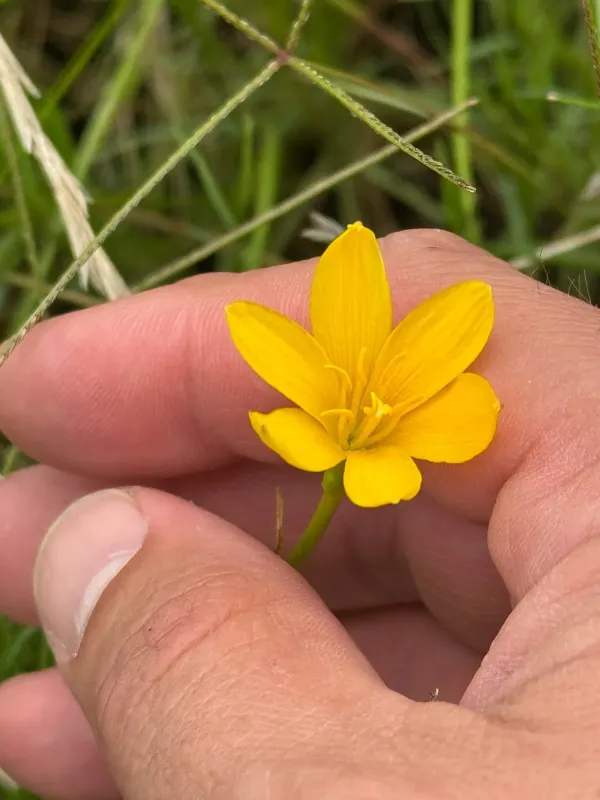
Description
Growing requirements
Zephyranthes pulchella is a perennial bulbous plant belonging to the Amaryllidaceae family. Originating from the tropical and subtropical regions of the Americas, it is widely valued for its delicate and beautiful flowers.
This crop thrives in sunny, well-lit locations. When cultivated in containers, it requires a substrate that is both fertile and highly porous to ensure that water does not accumulate around the base of the bulb.
The ideal temperature range for active growth is between 20°C and 25°C. Like many bulbous plants, it follows a seasonal growth cycle, requiring a dry rest period after the flowering phase to ensure proper dormancy.
Irrigation must be managed carefully. During the growing season, the soil should be kept consistently moist but not saturated. As the foliage begins to die back, irrigation should be gradually reduced to zero.
The soil should be a mix of loam, leaf mold, and coarse sand. Fertilization should be applied sparingly, mainly during the early stages of spring growth, using balanced fertilizers with a focus on phosphorus to encourage flowering.
Main diseases and pests
Fungal diseases are the primary threat, often caused by overwatering or poor drainage. These pathogens cause rot in the bulbs, which can quickly spread to other parts of the plant if not addressed immediately.
Spider mites are common pests that thrive in dry, indoor conditions. They feed on the sap, causing the foliage to turn yellow or speckled, and their presence requires immediate application of targeted acaricides.
Mealybugs are another serious issue, often hiding between the layers of the bulbs or at the base of the leaves. Manual removal combined with systemic insecticidal treatment is usually required for control.
Root aphids can also affect the plants, especially in commercial greenhouse environments where soil hygiene is not strictly maintained. Regular inspection of the root system during the dormant stage is essential.
Preventive measures include maintaining proper air circulation and ensuring the substrate is fully sterilized before replanting. Avoiding moisture on the foliage during cooler temperatures can also significantly reduce the risk of disease.