
Zephyranthes jonesii
Zephyranthes jonesii
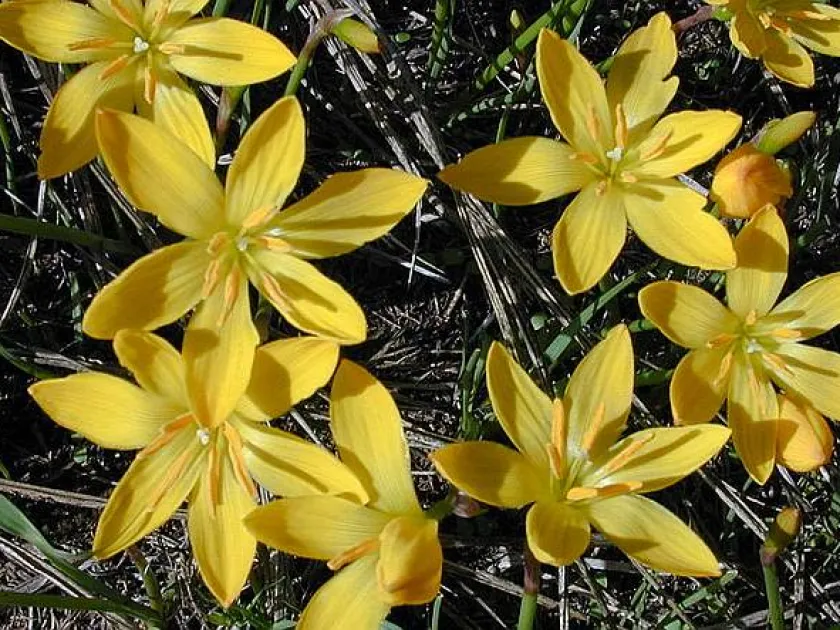
Description
Growing requirements
Zephyranthes jonesii is a perennial bulbous plant belonging to the Amaryllidaceae family. The species is native to the southern United States, particularly Texas, and regions of northern Mexico, where it thrives in specific warm habitats.
The crop requires well-drained, sandy or loamy soils to prevent bulb rot. Proper soil aeration is crucial for the healthy development of the root system, as the species is highly sensitive to waterlogging and soil compaction.
As a sun-loving plant, Zephyranthes jonesii needs full sunlight exposure to maintain its growth cycle and produce high-quality blooms. Insufficient lighting usually results in stunted growth and a failure to produce the characteristic floral displays.
The climate requirements for this plant include a warm, active growing season followed by a dormant period. Maintaining ambient temperatures between 20°C and 25°C during the growing phase is recommended for optimal plant health and reproductive success.
In terms of economic and practical use, it is grown primarily as an ornamental plant. Due to its rapid response to rainfall, often called a rain lily, it is highly valued for container gardening, rock gardens, and landscape borders in regions with a suitable climate.
Main diseases and pests
Common pests affecting this species include spider mites and scale insects, which often thrive in environments with low air humidity. Regular monitoring and the application of appropriate pest control measures are essential for keeping the plants healthy.
Fungal diseases, specifically Stagonospora curtisii (red blotch disease), represent a major threat to the bulbs, especially when cultivation practices involve excessive irrigation. Effective management requires the use of fungicides and strict control over moisture levels in the growing medium.