
Zephyranthes insularum
Zephyranthes insularum
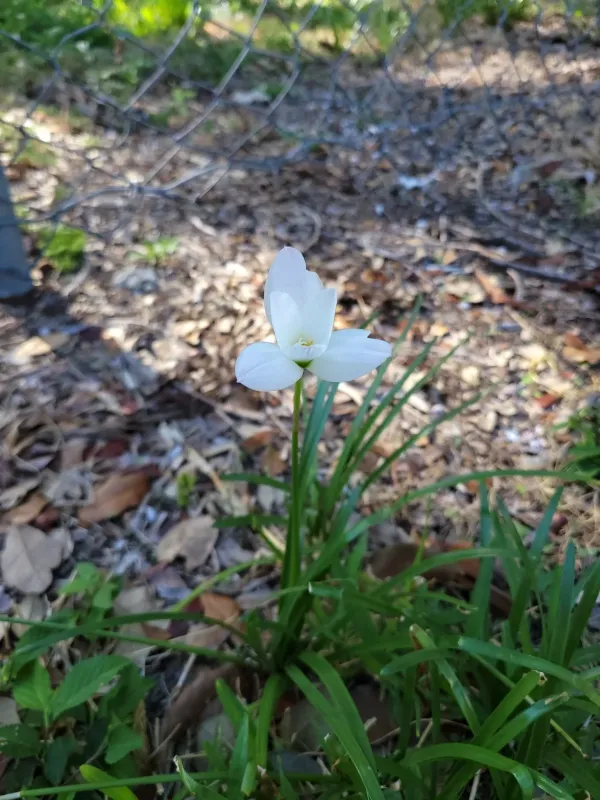
Description
Sowing dates
Propagation of Zephyranthes insularum is most effectively achieved through the separation of offsets, which are small bulbs produced by the mother plant. This process is best performed during the plant's dormant phase to minimize stress.
Sowing seeds is an alternative method, though it requires patience as maturity takes several years. Seeds should be sown in a well-draining, sterile potting mix and kept consistently moist until germination occurs.
When planting bulbs outdoors, ensure all danger of frost has passed. Select a location that receives full sun or light afternoon shade, as this provides the necessary energy for the bulbs to bloom prolifically.
Plant bulbs with the neck at or slightly above the soil line. Deep planting can inhibit flower production, so correct positioning is crucial for the aesthetic and physiological health of the specimen.
For pot cultivation, group several bulbs together in a single container. This clustered planting method not only creates a better visual impact but also mimics the plant's natural growth habit in its native habitat.
Growing requirements
Zephyranthes insularum is a member of the Amaryllidaceae family, originating from the Caribbean islands. It is a perennial geophyte adapted to environments characterized by distinct cycles of rain and dry periods.
The primary soil requirement is excellent drainage. A mix comprising potting soil, coarse sand, and perlite is ideal to prevent waterlogging, which is the most frequent cause of bulb death in cultivation.
The plant thrives in temperatures between 20 and 25 degrees Celsius during the growing season. A cooler dormant period with reduced light and almost no water is essential to trigger the next blooming cycle.
Light levels are a critical factor; the plant requires bright, indirect light or full sun to maintain vigorous growth. Insufficient light often results in lanky leaves and a complete failure to produce flowers.
Watering should be rhythmic, mimicking the rainy season of its native range. Once the plant enters its resting phase, watering must be suspended to prevent the bulbs from decaying during the period of inactivity.
Main diseases and pests
Fungal diseases are the primary threat, often resulting from poorly aerated soil or stagnant moisture around the bulb. Root rot and red blotch are common issues that require prompt attention.
Pests such as spider mites, aphids, and mealybugs can infest the foliage, particularly in indoor environments with low humidity. Regular inspection of the leaves is necessary for early detection and control.
To mitigate disease risk, ensure adequate ventilation around the plants and avoid splashing water on the foliage during the evening. Proper hygiene, such as removing dead leaves, also helps prevent pathogen buildup.
Insecticides or neem oil can be used to manage pest infestations. If the plant is kept indoors, systemic treatments may be more effective, but must be applied according to label instructions to avoid phytotoxicity.
In cases where bulbs have been affected by rot, immediate intervention involving the removal of decayed tissue and treatment with a fungicide is necessary before replanting into fresh, dry substrate.