
Zephyranthes hybrids
Zephyranthes hybrids
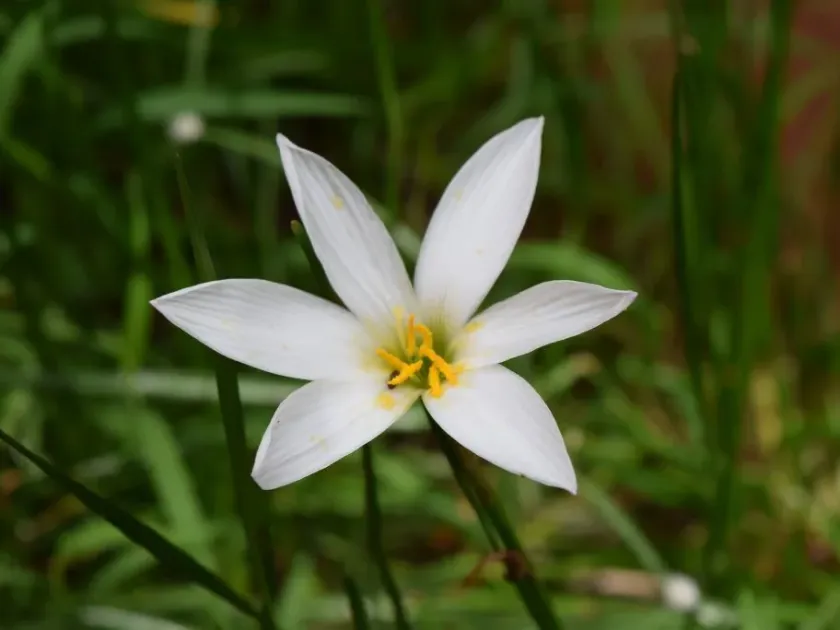
Description
Growing requirements
Zephyranthes hybrids are perennial bulbous plants belonging to the Amaryllidaceae family. Often referred to as rain lilies, they are prized in floriculture for their rapid growth response to moisture and their striking, trumpet-shaped flowers that appear in various colors.
The origin of these plants is traced back to the tropical and subtropical regions of the Americas. In a commercial agricultural context, they are cultivated primarily for the production of high-quality bulbs and seasonal decorative flowering plants in controlled greenhouse environments.
Successful cultivation requires a well-draining, nutrient-rich soil medium with a neutral pH. The plants thrive in environments with high light intensity, as adequate sunlight is the primary factor limiting the formation of floral buds during the vegetative development stage.
The optimal temperature range for growth is between 20 and 25 degrees Celsius. However, an essential aspect of the crop cycle is a mandatory dormant period, where bulbs are kept in a cooler, dry environment to prepare the plant for the subsequent flowering cycle.
Water management is critical in Zephyranthes husbandry. Irrigation should be applied liberally during the active growing season, but must be drastically reduced or completely ceased once the foliage begins to senesce, signaling the start of the required dormancy period.
Main diseases and pests
The main pests affecting Zephyranthes hybrids include spider mites, scale insects, and mealybugs. These pests typically thrive in environments with low humidity, necessitating regular monitoring and integrated pest management strategies.
Fungal pathogens pose a significant threat to bulb health, with root and bulb rot being the most common issues. These are primarily caused by over-irrigation and improper soil drainage, leading to oxygen deprivation in the root zone.
Fusarium wilt can devastate bulb stocks, making the sterilization of planting material and the maintenance of a clean, sanitary growing environment essential for professional-grade production.
Prevention involves the use of fungicides during storage and ensuring that bulbs are thoroughly dried before being placed into dormancy to prevent the growth of mold or pathogenic fungi.
Effective management also requires careful culling of infected bulbs to prevent the spread of disease within a commercial batch, ensuring that only healthy specimens are utilized for propagation and sale.