
Zephyranthes gracilis
Zephyranthes gracilis
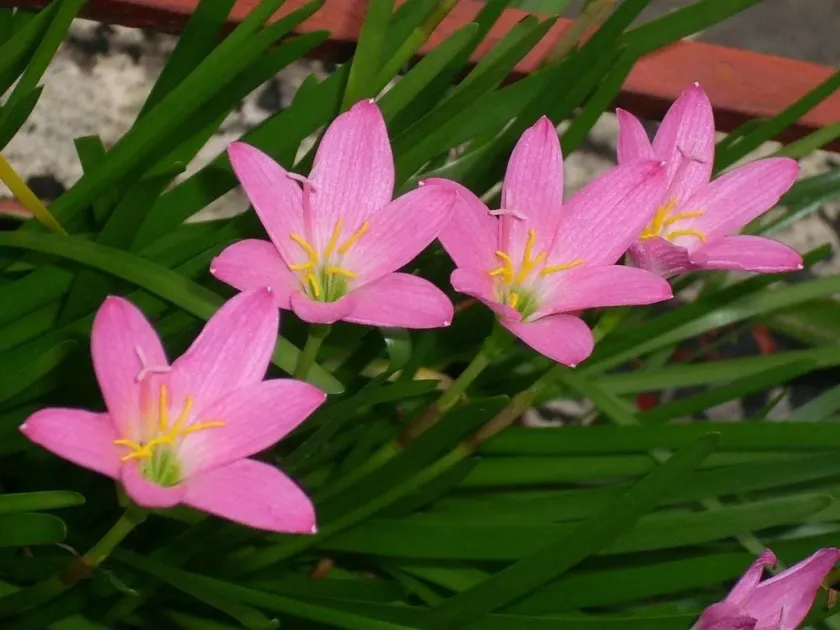
Description
Sowing dates
Zephyranthes gracilis, a member of the Amaryllidaceae family, is primarily propagated through the division of offsets produced by the parent bulb during the growth cycle.
The optimal time for planting or repotting is at the end of the dormancy period, typically in late winter or early spring, just before the first signs of active leaf growth appear.
When selecting bulbs for propagation, it is essential to ensure they are firm, free of lesions, and have a healthy root system to guarantee high survival rates.
Bulbs are typically planted in containers or well-drained garden beds, with the neck of the bulb placed just at or slightly below the surface level to prevent rot.
After planting, the substrate should be kept slightly moist but not saturated to encourage root initiation and support the early development of the foliage.
Growing requirements
Native to the Americas, this species requires a sunny location with plenty of bright, indirect light to stimulate regular and abundant flowering throughout the season.
The plant thrives in a well-aerated, sandy-loam soil mix that provides excellent drainage, essential for the health of the bulbous root structure in container gardening.
Watering requirements follow a strict seasonal pattern; during the growth and flowering phase, consistent moisture is vital for the plant's metabolic processes.
As the plant enters dormancy, water should be gradually withheld, allowing the soil to dry out almost completely to mimic the natural cycle of its native habitat.
Temperature control is crucial: the plant prefers warm daytime conditions and should be protected from frost, as the bulbs are highly sensitive to freezing temperatures.
Main diseases and pests
The primary agricultural threats to this crop are fungal diseases, particularly bulb rot, caused by over-irrigation and poor drainage in the growing medium.
Pests such as scale insects and mealybugs represent a significant risk, as they tend to congregate in leaf axils, draining sap and weakening the plant's vigor.
Spider mites frequently infest the foliage in low-humidity environments, leading to stippling and yellowing, which significantly impacts the aesthetic quality of the crop.
Thrips may cause damage to both leaves and developing flower buds, resulting in distorted blooms and reduced production potential for commercial or home growers.
Integrated pest management strategies, including regular inspections and the use of targeted biological or chemical treatments, are recommended to maintain plant health.