
Zephyranthes gracilifolia
Zephyranthes gracilifolia
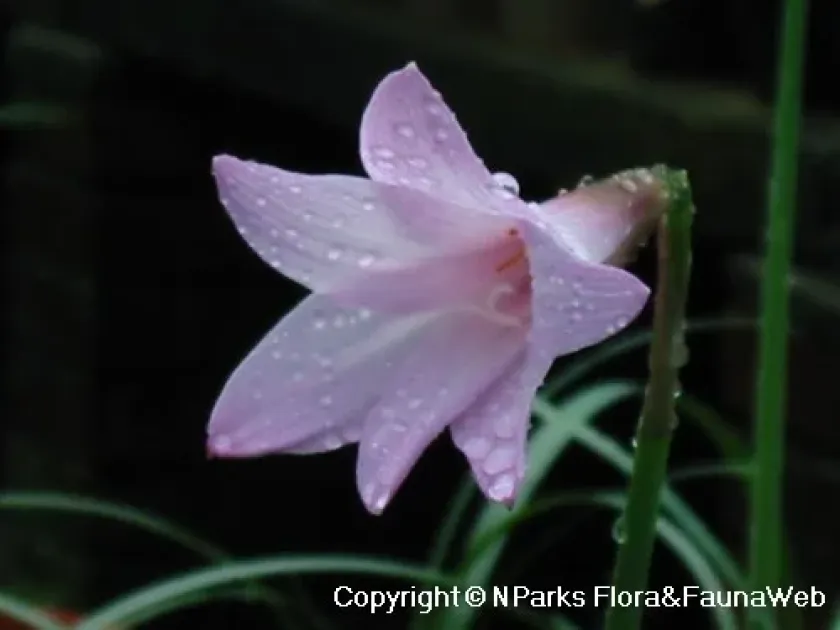
Description
Growing requirements
Zephyranthes gracilifolia is a bulbous perennial belonging to the Amaryllidaceae family, native to the tropical and subtropical regions of South America. This elegant plant is highly valued for its slender foliage and beautiful, trumpet-shaped flowers.
The plant thrives in bright, indirect sunlight. While it can tolerate some direct morning sun, intense afternoon heat can scorch the leaves. Proper placement is essential to stimulate the rapid flowering response that gives the genus its name.
Soil requirements for this species include a well-draining, loose potting mix that prevents water stagnation. A blend of peat, perlite, and coarse sand provides the ideal environment for the bulb to expand and remain healthy throughout the growth cycle.
The ideal temperature range during the active growing season is between 20°C and 25°C. As the plant enters dormancy, moving it to a cooler area with temperatures around 12–15°C mimics its natural cycle and encourages a more vigorous bloom next season.
Watering should be carefully managed based on the plant's growth stage. During the active phase, the soil should be kept lightly moist, while during the dormant period, watering should be reduced significantly to prevent bulb rot.
Main diseases and pests
The most common disease affecting Zephyranthes gracilifolia is basal rot, which is typically triggered by overwatering or poor drainage within the pot. This leads to the softening of the bulb tissue and eventual plant death.
Pests such as spider mites, aphids, and mealybugs are the primary threats. These insects often thrive in indoor conditions where the air is dry, leading to yellowing leaves and stunted growth.
Effective pest management involves maintaining adequate air circulation and humidity levels, as well as applying horticultural soaps or systemic insecticides when an infestation is detected.
To prevent disease outbreaks, it is crucial to use sterile, well-draining potting soil and to carefully inspect all new bulbs for signs of fungal or bacterial infection before planting.
If an infestation or infection occurs, prompt isolation of the affected plant is necessary to prevent the spread to other specimens in the collection.