
Zephyranthes drummondii
Zephyranthes drummondii
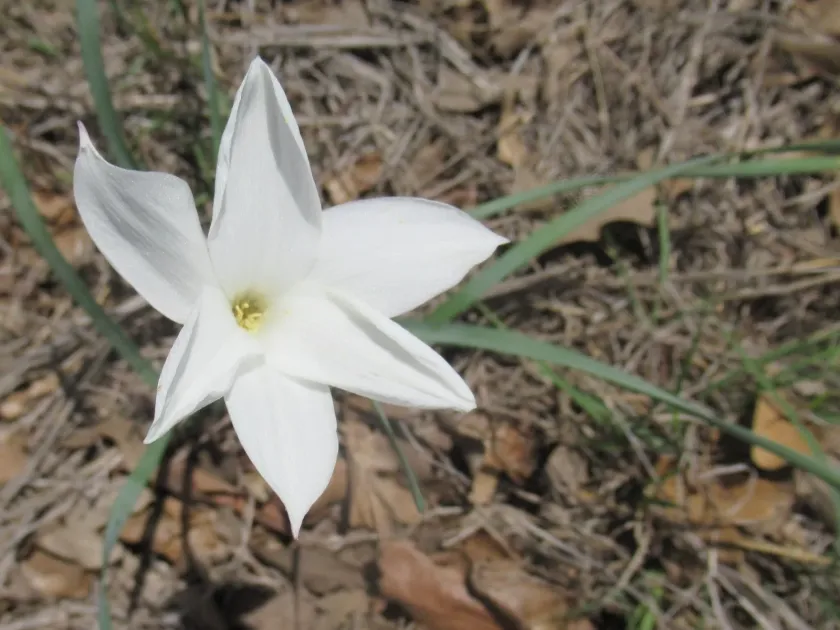
Description
Sowing dates
Planting of Zephyranthes drummondii bulbs should be performed in spring once the soil temperature is consistently warm and the risk of frost has passed.
When propagating via seeds, sow them immediately after harvesting, as they tend to lose viability very quickly, requiring a light covering of sterile potting mix.
Bulbs are typically planted at a depth of approximately 5 to 7 centimeters, ensuring the neck of the bulb is positioned correctly toward the soil surface.
Spacing between individual bulbs in landscape beds should be about 10-15 centimeters to allow for natural clumping and expansion over several years.
When grown in containers, ensure the pot has multiple drainage holes to prevent water retention, which is critical for the healthy development of bulbous roots.
Growing requirements
Zephyranthes drummondii belongs to the Amaryllidaceae family and is native to the arid grasslands and rocky slopes of northern Mexico and Texas, USA.
This species is highly adapted to intense sunlight, requiring full sun exposure to trigger its characteristic rapid blooming response following heavy rains.
The soil must be well-draining, preferably sandy or loamy, as the bulbs are adapted to survive in areas where water percolates quickly through the ground.
A distinct dry season is necessary for the plant's cycle; during this dormancy period, irrigation should be withheld to encourage flower production later.
The cultural requirements include a well-balanced fertilizer applied at the start of the growth season to support the formation of lush foliage and multiple blooms.
Main diseases and pests
Fungal pathogens such as basal rot represent the most significant threat to the bulbs, particularly if the plants are maintained in overly wet or heavy soils.
Pests such as aphids and spider mites are common in warm and dry conditions, often attacking the leaf tips and reducing the plant's photosynthetic capacity.
Large infestation of insects may require the application of selective insecticides to preserve the plant's health without damaging beneficial pollinators in the garden.
Preventative measures include maintaining proper air circulation around the plants and avoiding overhead irrigation, which promotes the development of leaf spot diseases.
Regular inspection of the bulb bases is recommended during the dormant period to ensure there are no signs of soft rot or fungal activity that could spread.