
Zephyranthes citrina
Zephyranthes citrina
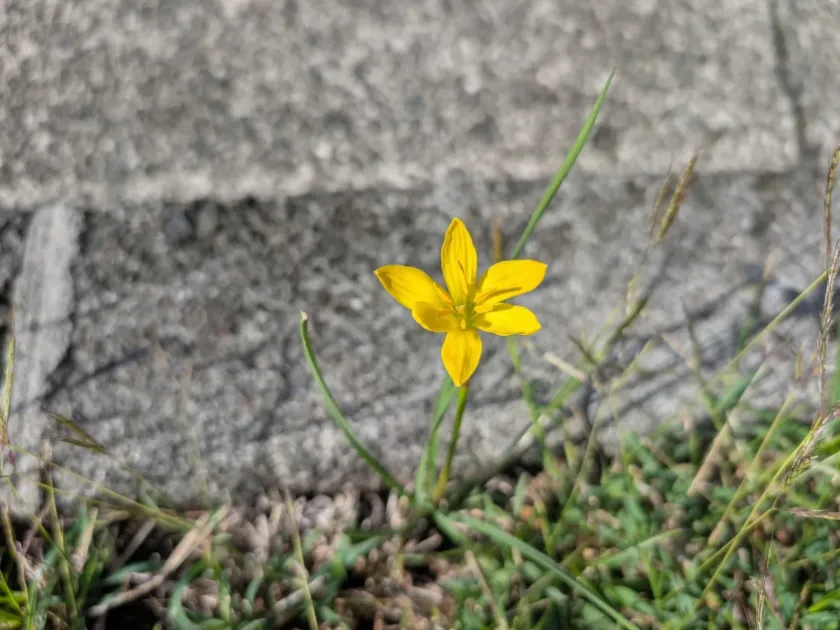
Description
Sowing dates
Zephyranthes citrina is a member of the Amaryllidaceae family and is native to the tropical landscapes of South America, known for its distinct yellow blooms.
Propagation is most efficiently achieved through the division of offsets or daughter bulbs during the dormant season or early spring before active growth starts.
When planting, it is crucial to position the bulb so that the neck remains at or slightly above the soil surface to encourage healthy development.
Seed propagation is possible but requires fresh seeds, as they lose viability very quickly after harvest, making immediate sowing essential for success.
The substrate for sowing should be well-draining, consisting of a mix of potting soil and perlite to ensure proper moisture management for the germinating seeds.
Growing requirements
This species requires a bright, sunny location to thrive, though it performs best with filtered light rather than harsh, direct afternoon sun in extremely hot climates.
The soil must be fertile and exceptionally well-drained, as the bulbs are highly susceptible to rot if kept in consistently soggy conditions.
Temperature management is critical; while it tolerates tropical warmth, it requires a distinct dormant period with cooler temperatures to trigger future flowering.
Watering should be consistent during the growing season but must be significantly reduced during the winter dormancy to prevent bulb deterioration.
- Use porous clay pots to enhance aeration.
- Apply balanced liquid fertilizer during the blooming season.
- Ensure a frost-free environment at all times.
Main diseases and pests
The most significant threats to Zephyranthes citrina are fungal pathogens, particularly those that cause bulb rot due to waterlogged substrate conditions.
Poor ventilation and high humidity levels can also lead to the development of mold, which spreads rapidly among dense bulb groupings.
Common horticultural pests, such as spider mites and scale insects, frequently target the foliage, especially in indoor environments with dry air.
Regular monitoring of the leaf undersides and the base of the stem is recommended to catch infestations early before they become difficult to manage.
Integrated pest management, including the use of neem oil or targeted insecticides, is effective if outbreaks are detected during the early stages of plant development.