
Zephyranthes chlorosolen
Zephyranthes chlorosolen
Description
Growing requirements
Zephyranthes chlorosolen is a perennial bulbous plant belonging to the Amaryllidaceae family. Originating from the regions of North America, particularly Mexico and the southern United States, this species is well-adapted to environments that experience distinct cycles of rainfall and drought.
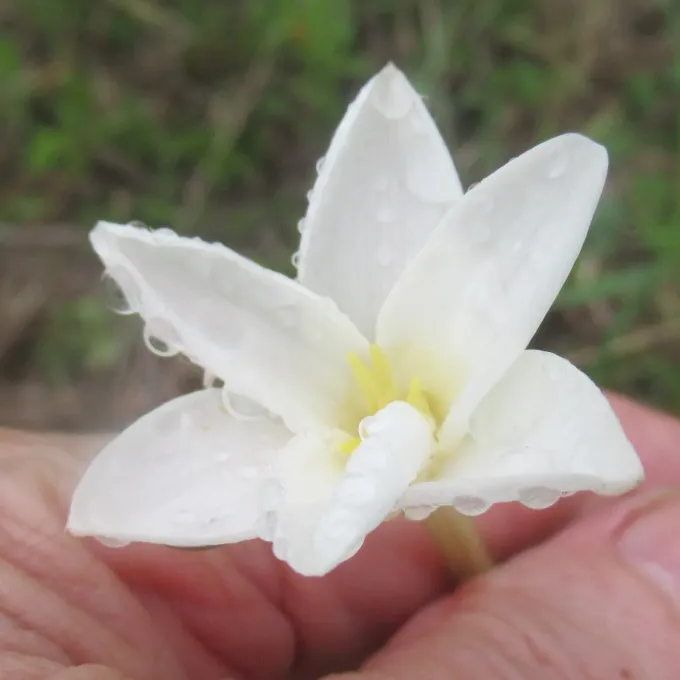
Botanically, the plant is characterized by its small, tunicated bulbs and narrow, grass-like leaves. It is renowned for its white, fragrant, funnel-shaped flowers that bloom rapidly after significant rainfall events, a trait that has earned the genus the common name of rain lilies in various regions.
The culture requires high levels of solar exposure to thrive and initiate flower production. It performs best in well-drained, sandy or loamy substrates where moisture does not accumulate around the bulb. Poor drainage is the most significant limiting factor for successful development.
Temperature management is crucial; while the plant can handle high heat, it is not frost-hardy in many zones. Cultivation techniques should involve maintaining a dry environment for the bulbs during their dormant period to simulate natural seasonal changes and prevent physiological stress.
Standard agrotechnical practices include moderate fertilization during the active growing season to support bulb expansion. Using a balanced, low-nitrogen fertilizer helps promote root development without causing excessive foliage growth at the expense of potential floral blooms.
Main diseases and pests
The primary threat to Zephyranthes chlorosolen is root rot, frequently caused by excessive irrigation or improperly drained soil. Fungal pathogens can quickly compromise the bulb's structural integrity, necessitating the use of fungicides and strict water control.
Bulb mites and various species of nematodes represent significant biological threats, as they directly damage the storage tissues of the bulb. Infestation often leads to stunted growth and failure to bloom, requiring chemical treatments or heat-based soil sterilization.
Pests affecting the foliage, such as aphids and thrips, can cause curling and discoloration of leaves. These pests are particularly problematic in greenhouse settings where air circulation might be limited, allowing colonies to expand rapidly.
Viral infections can manifest as mosaic patterns on the leaves and are typically introduced via sap-sucking insects. Since viral diseases are systemic and incurable in bulbs, early detection and immediate removal of symptomatic plants are essential to protect the remaining collection.
Regular sanitation of the growing area, including the removal of dead leaf debris, helps reduce the habitat for many potential pests. Ensuring that the bulbs are stored in a dry, well-ventilated space during the winter months further prevents post-harvest fungal colonization.