
Zephyranthes carinata
Zephyranthes carinata
Description
Growing requirements
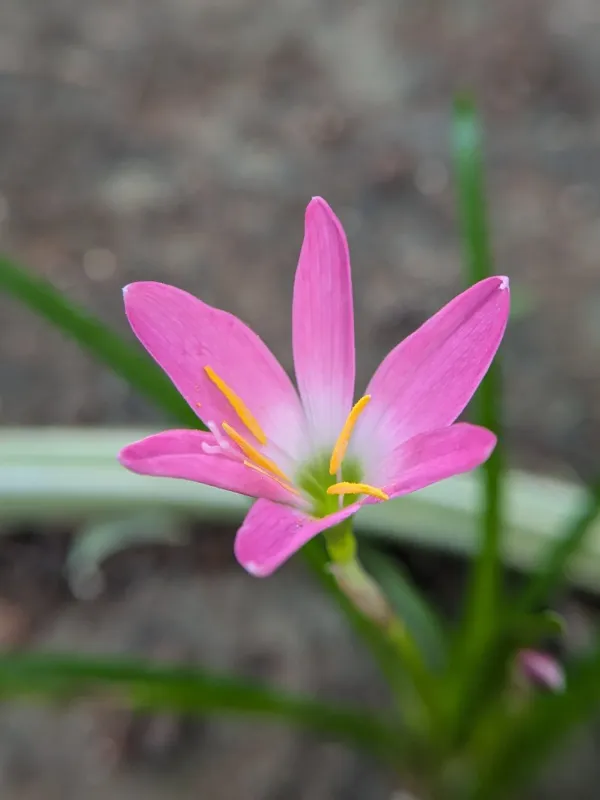
Zephyranthes carinata, commonly known as the rosepink zephyrlily, belongs to the Amaryllidaceae family. Originating from Central and South America, this plant is valued for its rapid response to hydration, producing vibrant flowers shortly after rainfall.
The culture requires well-draining, nutrient-rich soil to thrive. Ideally, the growing medium should be a mixture of organic matter and coarse sand to prevent waterlogging, which is a major factor in bulb health degradation.
Climate requirements involve high levels of solar radiation. The plant is heliophilic and requires bright, indirect to direct light to trigger its flowering cycle. In shaded areas, the plant becomes leggy and fails to produce the characteristic large pink blooms.
Temperature management is critical for the lifecycle of the crop. During the growing season, it prefers temperatures between +20°C and +28°C. A distinct dormant period during winter, with cooler temperatures around +10-15°C, is necessary to induce next-season blooming.
Agrotechnical practices focus on precise irrigation cycles. During the active phase, the soil must be kept slightly moist. However, once the leaves wither, watering should be significantly reduced or stopped to initiate the rest period, preventing bulb rot.
Main diseases and pests
The primary pests affecting Zephyranthes carinata are spider mites and scale insects. These pests often colonize the leaves during hot and dry conditions, requiring the application of appropriate systemic insecticides to maintain plant vigor.
Diseases such as root rot and red blotch (Stagonospora curtisii) are significant threats in environments with poor air circulation or excessive moisture. Maintaining sanitation of the planting space and ensuring adequate drainage are essential preventative measures.