
Zephyranthes candida
Zephyranthes candida
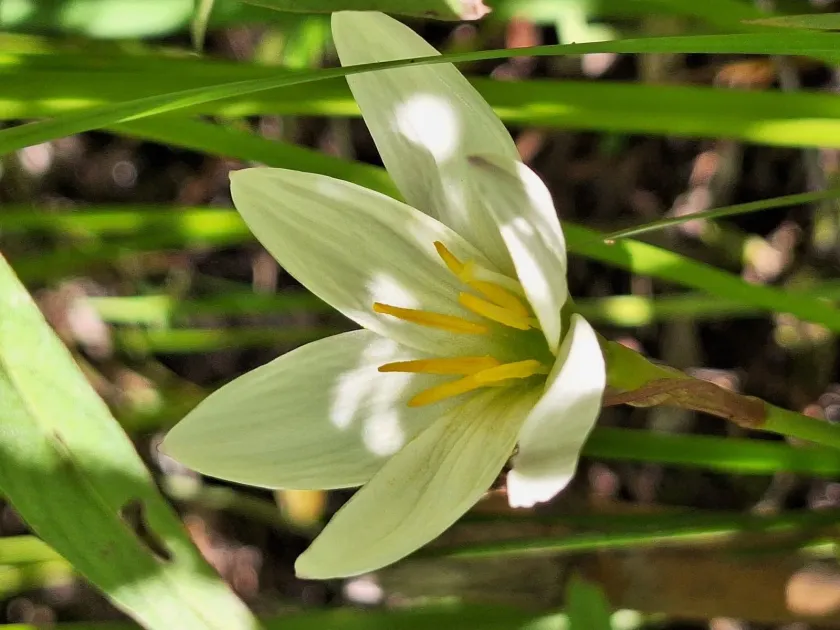
Description
Sowing dates
Planting Zephyranthes candida bulbs is typically done in the spring once the soil temperature is consistently above 15 degrees Celsius for active growth.
When grown in containers, bulbs should be planted in shallow pots with high-quality, free-draining potting mix to ensure optimal bulb development.
Ensure that the bulb neck remains at or slightly above the soil surface to prevent rot, which is common in deep-buried bulbous plants of this genus.
The spacing between bulbs should be kept to a minimum of 5 centimeters to allow for the natural clumping habit typical of this species over time.
In regions where the plant is treated as an annual, sowing may involve fresh seeds collected after flowering, although bulb division remains the most reliable method.
Growing requirements
Zephyranthes candida is a member of the Amaryllidaceae family, widely known for its ability to produce white, crocus-like flowers after rain events.
Native to the wetlands and river basins of South America, it requires warm, humid conditions during the growing season followed by a dry resting period.
The plant thrives in full sun but adapts well to partial shade, provided that light intensity is sufficient to trigger the flowering mechanism of the plant.
Soil composition should be light and gritty; it is essential to have an excellent drainage system to prevent waterlogging, which often leads to root death.
During the dormant season, which typically occurs in winter, the bulbs should be kept in a cool and dry environment to successfully survive until spring.
Main diseases and pests
The most common threats to this crop include spider mites, which frequently infest plants kept in dry indoor environments or greenhouses with poor ventilation.
Mealybugs and aphids can also affect the foliage, causing distorted growth and the yellowing of leaves if left unmanaged by the grower for an extended period.
Fungal rots, particularly basal rot caused by overwatering, are the primary biological threat that can result in the total collapse of the bulb stock.
Effective management strategies include routine monitoring of foliage and bulbs, coupled with targeted applications of organic or chemical pesticides as necessary.
Maintaining a clean cultivation area and strictly adhering to recommended irrigation intervals significantly reduces the occurrence of these common pests.