
Zephyranthes bifolia
Zephyranthes bifolia
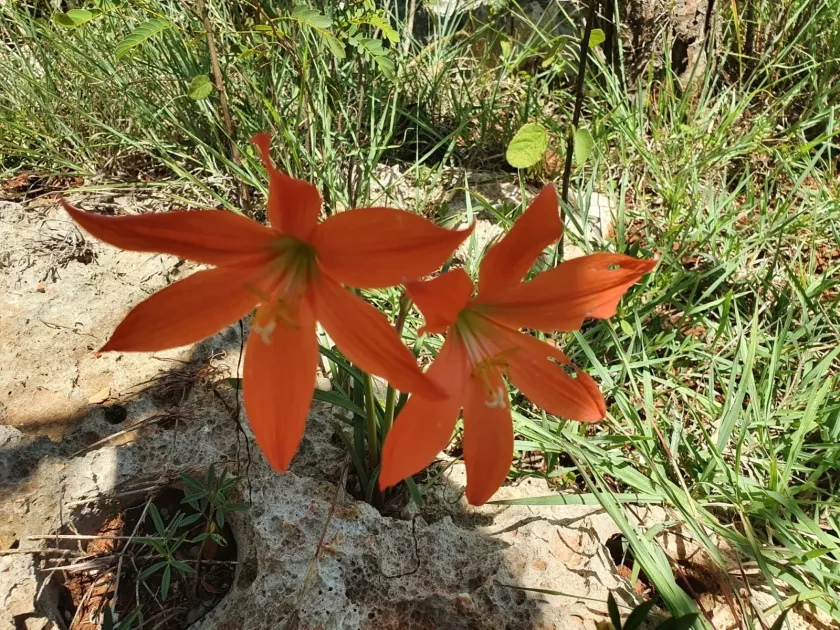
Description
Growing requirements
Zephyranthes bifolia is a perennial bulbous plant belonging to the Amaryllidaceae family. Native to the Caribbean islands, specifically Haiti and the Dominican Republic, this species is highly valued for its intense, fiery-colored tubular blooms that appear unexpectedly after rainfall or watering.
Botanically, the plant features narrow, grass-like foliage that emerges from a small, globose bulb. The inflorescences are distinct due to their vibrant red or orange hues, which set this species apart from the more common white-flowered varieties of the genus Zephyranthes.
Regarding soil requirements, the plant thrives in well-draining, slightly acidic to neutral potting mixes. A substrate containing horticultural sand, peat, and organic matter is recommended to prevent waterlogging, as the bulbs are highly susceptible to rot in dense or water-retaining soils.
Optimal environmental conditions involve high light intensity, although intense direct midday sun should be avoided to prevent foliar damage. During the growing season, a temperature range of 20°C to 25°C is ideal, with regular watering provided once the soil surface has dried out significantly.
The horticultural utility of Zephyranthes bifolia is primarily ornamental. It is extensively cultivated in greenhouse environments and private collections as a high-value bulbous crop, often utilized for seasonal displays where its sudden bloom cycle provides significant aesthetic impact.
Main diseases and pests
Common pests affecting this crop include spider mites, which thrive in dry indoor conditions, and scale insects that cluster on the leaf bases. Effective management relies on regular visual inspections, localized treatment with insecticidal soaps, or the application of systemic pesticides.
Pathogenic threats include fungal infections such as Stagonospora curtisii, often referred to as red blotch disease. This is typically exacerbated by poor air circulation and excessive moisture, necessitating preventative measures like thinning out dense plantings and ensuring optimal drainage in all containers.