
Zephyranthes bifida
Zephyranthes bifida
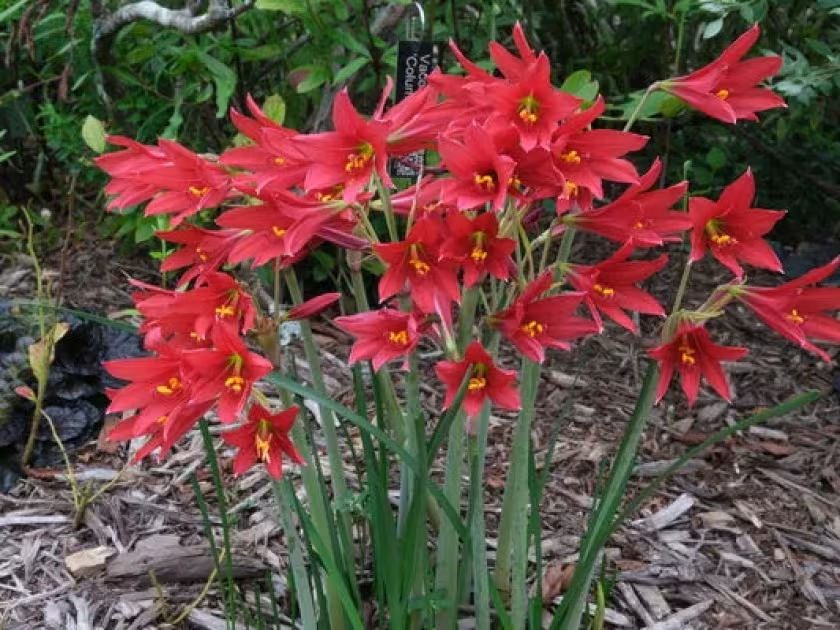
Description
Sowing dates
Planting of Zephyranthes bifida is ideally performed in early spring once the risk of frost has completely subsided and soil temperatures are rising.
The bulbs should be placed in well-draining soil, ensuring that the neck of the bulb remains at or slightly above the soil surface level.
When selecting a planting site, prioritize locations that provide full sun to partial shade, which is vital for the plant's metabolic activity.
For container-grown specimens, use a porous potting mix that prevents water retention, as this species is particularly susceptible to moisture stress.
Adequate spacing, generally 10–15 cm apart, is recommended to facilitate proper air circulation and to prevent the overcrowding of bulb clusters.
Growing requirements
Zephyranthes bifida thrives in environments with bright, indirect sunlight, though it can tolerate direct exposure in temperate climate zones.
The soil must be fertile, light, and slightly acidic to neutral in pH to support robust root development and long-term plant health.
Watering requirements include providing consistent moisture during the growing season while ensuring the soil dries out slightly between applications.
Temperature management is critical; the plant should be kept in environments above 15°C to avoid metabolic dormancy or cold-induced damage.
Organic fertilization or balanced NPK liquid fertilizers can be applied during the peak growth phase to enhance overall bloom quality.
Main diseases and pests
Fungal pathogens such as Fusarium oxysporum are common threats, typically emerging when drainage is poor or humidity levels are excessively high.
Spider mites represent the primary pest challenge, especially in low-humidity environments, leading to leaf yellowing and reduced photosynthesis.
Root rot, caused by overwatering, remains the most frequent reason for failure in cultivating Zephyranthes bifida, necessitating strict moisture control.
Aphids may occasionally infest the foliage, requiring physical removal or the application of horticultural oils for effective control.
Maintaining a clean growing environment and sanitizing gardening tools are essential steps in preventing the spread of soil-borne pathogens.
Harvesting
The harvesting of bulbs for storage is typically scheduled for late autumn, once the foliage has turned yellow and the plant has entered dormancy.
Bulbs must be carefully lifted from the ground, ensuring they are free of mechanical damage, which could otherwise lead to rot during storage.
Before storing, the bulbs should be air-dried in a shaded, well-ventilated area for several days to harden the outer scales and improve shelf life.
Storage conditions require a cool, dark, and dry environment, with ideal temperatures maintained between 8°C and 12°C for optimal results.
Regular inspection of stored bulbs is advised to identify and remove any decaying material, thus protecting the integrity of the remaining stock.