
Zephyranthes atamasco
Zephyranthes atamasco
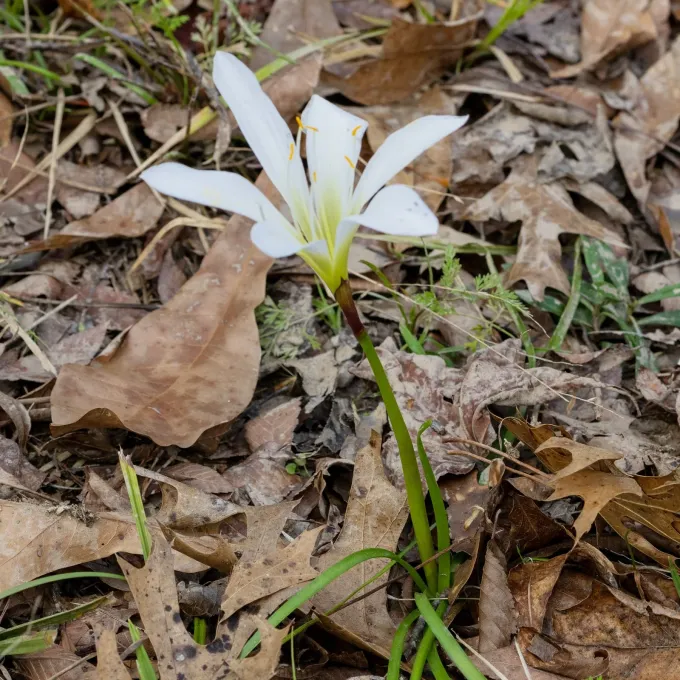
Description
Sowing dates
Planting of Zephyranthes atamasco bulbs is typically carried out in early spring, once the threat of frost has passed and the soil has sufficiently warmed up for root establishment.
The bulbs should be planted at a shallow depth, keeping the neck level with the soil surface to ensure optimal growth and to mimic their natural habitat conditions.
When grown in container systems, planting can occur earlier in controlled environments, allowing for a longer vegetative period and synchronized bloom times.
Propagation is most efficiently achieved by separating offsets from the main bulb during the dormant season, ensuring each section has adequate root material for independent survival.
Seed sowing requires fresh seeds due to their rapid loss of viability, necessitating careful preparation of a light, moisture-retentive substrate to encourage germination.
Growing requirements
As a member of the Amaryllidaceae family, Zephyranthes atamasco requires well-draining, nutrient-rich soil with a slightly acidic to neutral pH profile to flourish.
The plant thrives in full sun exposure, requiring at least six to eight hours of direct light daily to stimulate the production of its characteristic white flowers.
Water management is critical; while the plant requires consistent moisture during its active growing cycle, it must have excellent drainage to prevent bulb rot.
A distinct dormant period is necessary, during which water should be significantly reduced or suspended to allow the bulbs to rest before the next growth cycle.
Fertilization with a balanced, water-soluble fertilizer during the peak growth months provides the necessary nutrients for robust leaf development and abundant flowering.
Main diseases and pests
Amaryllis mealybugs are a significant pest, often hiding under the scales of the bulbs and causing severe damage by extracting sap and spreading pathogens.
Red blotch (Stagonospora) is the most common fungal disease, manifesting as reddish streaks on foliage and bulbs, often triggered by poor ventilation and high humidity.
Spider mites can become a problem in warm, dry environments, causing the leaves to lose their vibrant green color and eventually leading to plant decline.
Integrated pest management, including regular inspection and the use of targeted acaricides or insecticides, is essential for maintaining a healthy bulb collection.
Disinfecting tools and maintaining proper spacing between plants are vital strategies to prevent the cross-contamination of viral diseases that can affect the entire crop.