
Zephyranthes andersonii
Zephyranthes andersonii
Description
Growing requirements
Zephyranthes andersonii is a perennial bulbous plant belonging to the Amaryllidaceae family. Originating from the grasslands of South America, specifically regions in Argentina and Uruguay, it is well-adapted to environments with alternating seasonal cycles.
Successful cultivation requires a location with full sun to partial shade, ensuring the plants receive adequate solar energy for blooming. The soil should be porous, well-draining, and rich in organic matter to support the rapid growth of the bulbs.
Temperature management is critical, as the species is not frost-tolerant. In cooler climates, it must be grown in containers that can be moved indoors during the winter, maintaining an environment that mimics its natural dormancy period.
Watering practices must be carefully calibrated. During the active growing phase, the soil should be kept moist but never saturated. Once the flowering cycle concludes, reducing water intake is essential to allow the plant to enter its natural rest phase.
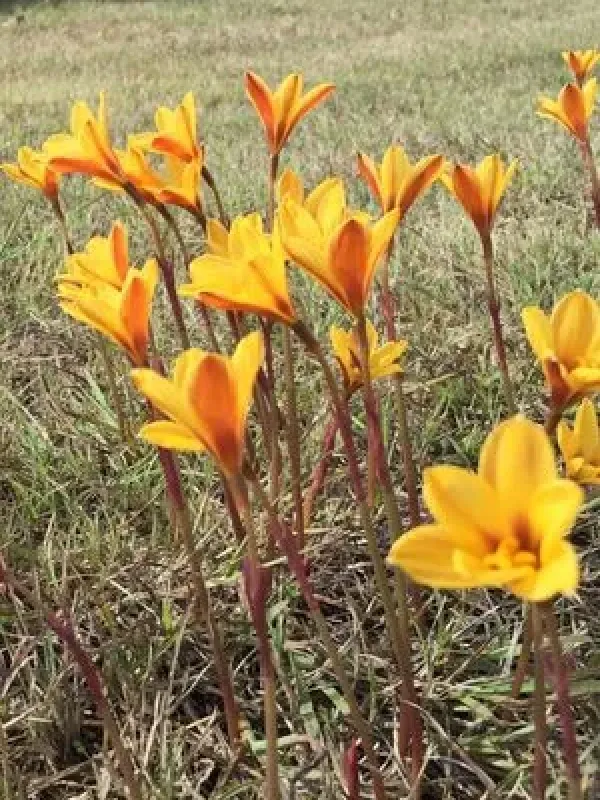
Botanically, the plant is recognized by its slender, grass-like foliage and vibrant flowers that often feature copper-yellow hues. Its ability to bloom rapidly after periods of high humidity makes it a unique specimen for specialized botanical collections.
Main diseases and pests
The primary threat to the health of Zephyranthes andersonii is the presence of fungal pathogens, particularly root rot, which thrives in waterlogged conditions. Once established, these infections are difficult to eradicate and often lead to bulb loss.
Pest pressure is frequently driven by common ornamental plant invaders such as spider mites. These pests thrive in dry conditions and can cause significant foliage damage if not monitored and treated immediately through environmental control.
Mealybugs and scale insects also present a significant risk by colonizing the leaf bases and stem nodes. Their feeding reduces the plant's overall vigor and leaves it susceptible to secondary viral or bacterial infections.
Implementing a strict sanitation program, including the removal of dead foliage and the use of sterile growing media, is the first line of defense against both pests and soil-borne diseases in a commercial or home setting.
When chemical intervention is necessary, the use of targeted systemic insecticides and fungicides is recommended. Always ensure that the selected products are compatible with bulbous species to prevent phytotoxic reactions on the sensitive plant tissues.