
Zephyranthes
Zephyranthes
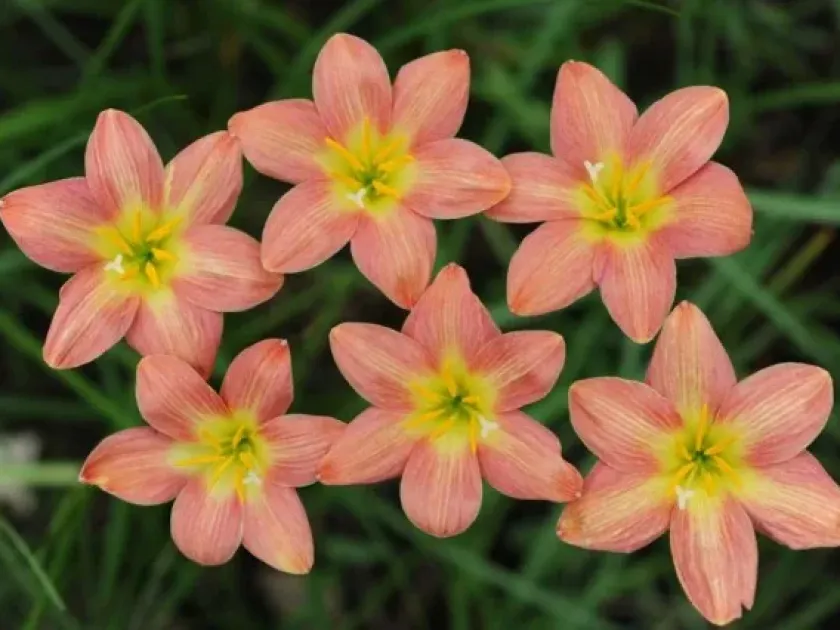
Description
Sowing dates
Zephyranthes is a genus of perennial bulbous plants in the Amaryllidaceae family, widely known for its ability to bloom rapidly after rainfall. In garden settings, bulbs should be planted in spring once the threat of frost has passed and soil temperatures have warmed up.
For container cultivation, planting is typically done in late winter or early spring. It is recommended to plant bulbs in groups to ensure a more visually appealing display when the flowers emerge simultaneously.
Planting depth is critical: the neck of the bulb should ideally be level with or slightly above the soil surface. Proper placement encourages healthier root development and reduces the risk of bulb rot.
Vegetative propagation is the most efficient method for this crop. During the repotting process, offset bulbs are carefully separated from the parent bulb and planted individually to establish new colonies.
While seed propagation is possible, it is less common for domestic gardening because it requires a longer period before the plant reaches flowering maturity and may lead to genetic variation.
Growing requirements
These plants thrive in fertile, well-draining soil mixtures that prevent moisture accumulation around the bulbs. A substrate consisting of loam, leaf mold, and coarse sand is generally considered optimal for healthy growth.
Zephyranthes requires bright, filtered light to flourish. Excessive direct sunlight can cause leaf scorching, while inadequate light inhibits flower production, resulting in only foliage growth.
Watering management is essential: the soil should be kept moderately moist during the active growing season but allowed to dry out significantly during the dormancy phase to prevent rot.
Temperature control plays a vital role, with a range of 20–25 degrees Celsius being ideal for the growing season. A cooler dormant period at 12–15 degrees is necessary to trigger the next blooming cycle.
Regular fertilization with a balanced, water-soluble fertilizer during the peak growing season supports flower development. Over-fertilization with high nitrogen levels should be avoided to prevent weak, spindly growth.
Main diseases and pests
The primary pests affecting this crop include spider mites, mealybugs, and scale insects. These pests often congregate on the undersides of leaves or along the stem, draining essential sap.
Fungal issues, specifically basal rot and red blotch (Stagonospora), pose a significant threat, especially when drainage is poor or humidity levels remain excessively high in the growing area.
Prevention strategies involve maintaining good air circulation around the plants and avoiding overhead irrigation, which can encourage fungal spore germination on the leaves.
In case of infestation, biological or chemical control agents such as horticultural oils or systemic insecticides should be applied promptly to prevent the spread to healthy neighboring plants.
For fungal infections, bulbs should be treated with appropriate fungicides before planting, and all necrotic or softened tissues must be surgically removed and treated with charcoal powder.