
Zantedeschia odorata
Zantedeschia odorata
Description
Sowing dates
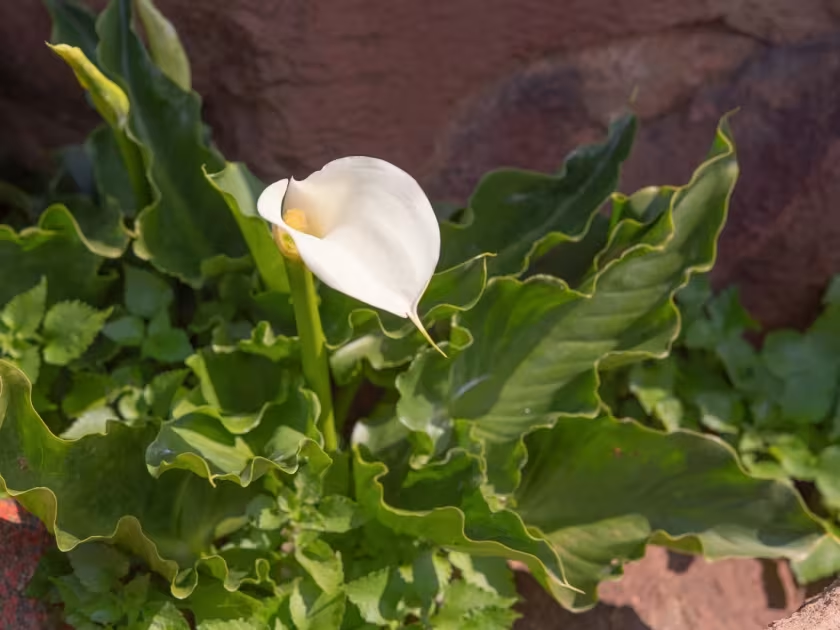
Zantedeschia odorata is a unique species within the Araceae family, distinguished primarily by its pleasant, sweet fragrance. Unlike many other Zantedeschia species, it offers significant value for the floral industry due to its sensory appeal.
Native to Southern Africa, this plant thrives in environments characterized by distinct wet and dry seasons. It is a perennial herbaceous plant that grows from a fleshy, tuberous rhizome, which serves as the primary propagation material.
Planting typically occurs in the spring once the soil temperature is consistently above 12–15 degrees Celsius. Pre-planting preparation, such as keeping tubers in a warm, well-lit environment, can significantly accelerate the emergence of shoots.
The planting depth should range from 5 to 10 centimeters, depending on the size of the tuber. Proper spacing is crucial to prevent overcrowding, which can reduce flower quality and increase the risk of disease transmission.
In intensive cultivation, systematic monitoring of the root zone development is recommended to ensure robust growth. Proper soil preparation with organic matter is essential for establishing a healthy foundation for the plant's life cycle.
Growing requirements
Zantedeschia odorata prefers bright, indirect light. While it is tolerant of partial shade, exposure to intense direct sunlight during the afternoon can cause significant leaf scorch, reducing the plant's aesthetic value.
The soil must be fertile, well-draining, and slightly acidic. Poorly drained soil often leads to tuber rot, which is a major limiting factor in the successful cultivation of this species in wetter climates.
Temperature management is critical; the plant thrives at temperatures between 18 and 24 degrees Celsius. Exposure to temperatures below 10 degrees or above 27 degrees can induce dormancy or cause physiological stress.
Consistent moisture is required during the active growing season. However, waterlogging must be avoided at all costs, as the roots require adequate oxygen to function properly and resist soil-borne pathogens.
Nutrient management involves applying a balanced fertilizer during the vegetative stage, shifting to a higher phosphorus and potassium mix as the plant approaches the floral initiation phase to support inflorescence development.
Main diseases and pests
Bacterial soft rot, primarily caused by Erwinia species, is the most destructive threat to Zantedeschia odorata. It typically manifests as watery, foul-smelling lesions on the tubers or the base of the stems.
Common pests include aphids, spider mites, and thrips, which tend to congregate in sheltered areas of the foliage. These pests can transmit viral diseases in addition to causing direct physical damage to the plant tissue.
Effective management strategies emphasize sanitation, including the use of disease-free planting stock and the sterilization of tools between plants. Crop rotation in field conditions is a standard preventive measure.
When monitoring for pests, scouts should inspect the underside of leaves and the junction of the leaf sheath. Early detection using integrated pest management (IPM) practices is essential for limiting chemical application.
Environmental control, particularly maintaining appropriate humidity levels and airflow, is the primary non-chemical method for reducing the incidence of fungal and bacterial outbreaks in closed production systems.
Harvesting
Harvesting for floral purposes should take place when the spathe is fully unfolded. At this stage, the spadix is mature, ensuring that the cut flower maintains its structural integrity and fragrance for as long as possible.
Stems should be harvested using a sharp, sanitized knife by cutting close to the base of the plant. Care must be taken not to damage the crown of the tuber, as this is where future growth originates.
Immediate post-harvest cooling is vital for maintaining the quality of Zantedeschia odorata. The stems should be placed in clean, cool water at temperatures around 5–8 degrees Celsius to extend vase life.
At the end of the season, after the foliage naturally senesces, the tubers should be carefully lifted from the ground. Removing soil residue and allowing the tubers to cure in a dry, shaded area is necessary before storage.
Tubers should be stored in a cool, well-ventilated environment in a dry medium like peat or perlite. Maintaining storage temperatures between 10–12 degrees Celsius will preserve the tubers until the next planting season.