
Zantedeschia albomaculata
Zantedeschia albomaculata
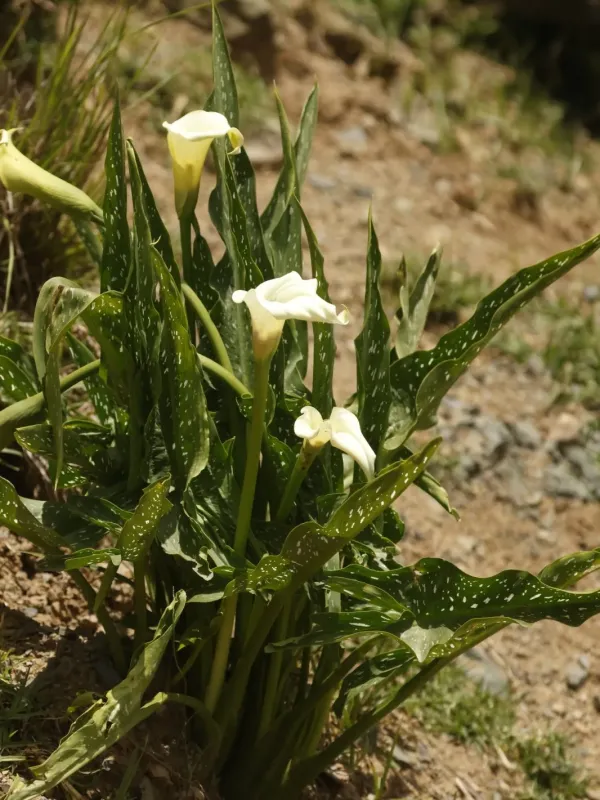
Description
Sowing dates
Zantedeschia albomaculata, commonly known as the spotted calla lily, is a perennial herbaceous plant belonging to the Araceae family. In agricultural practices, it is primarily propagated by dividing rhizomes or tubers during the dormant season.
Planting in the field should only commence once the danger of frost has passed and soil temperatures have consistently risen above 15°C (59°F). In most temperate regions, this corresponds to the late spring period.
For commercial production, pre-sprouting tubers in greenhouse trays is a common practice. This method ensures uniform growth and allows for a more predictable harvest schedule by accelerating the onset of the vegetation phase.
Field planting requires a row spacing of 40 to 50 cm, with individual tubers placed about 30 cm apart. Ensuring sufficient space between plants is crucial for adequate air circulation, which helps reduce the prevalence of fungal pathogens.
When planting, tubers should be placed at a depth of 5 to 10 cm, depending on their size. The growing buds must face upward to prevent potential delays in sprouting or issues with the emergence of the main shoots.
Growing requirements
As a native of Southern Africa, this species thrives in warm climates. The ideal temperature range for active growth is between 18°C and 24°C, as extreme fluctuations can negatively impact the overall plant health.
The culture prefers well-drained, nutrient-rich soils with a slightly acidic to neutral pH level. Proper drainage is essential to prevent waterlogging, which is a major contributor to root rot and other physiological disorders.
Although Zantedeschia albomaculata appreciates bright light, it should be protected from harsh, direct sunlight during peak hours. Partial shade helps to maintain the vibrancy of the leaves' characteristic white spots.
Consistent moisture is key during the growing season. The soil should be kept uniformly moist but never waterlogged. Irrigation should be gradually reduced as the plant nears its dormancy period in late autumn.
Regular fertilization with a balanced NPK fertilizer is beneficial for sustained growth. Increasing the potassium content during the flower-bud development phase helps enhance the quality and longevity of the inflorescences.
Main diseases and pests
Bacterial soft rot, caused by Erwinia species, is a significant threat to Zantedeschia albomaculata. It typically affects tubers that are stored or planted in overly wet conditions, leading to rapid tissue decay and strong odors.
Fungal diseases like Phytophthora and Fusarium can lead to wilting and stunted development. These pathogens thrive in poorly drained soils, making soil sterilization and crop rotation vital components of an effective management plan.
Insect pests, including aphids, spider mites, and thrips, frequently attack the foliage and flowers. Beyond direct damage to the plant tissue, these insects can act as vectors for various plant viruses that severely reduce yields.
Integrated Pest Management (IPM) practices, such as the use of biological controls and timely application of specific insecticides, are recommended to maintain plant health. Early detection through regular scouting is essential.
To minimize disease pressure, growers should source high-quality, certified disease-free planting material. Proper sanitation of tools and equipment after each use is also mandatory to prevent the spread of infections between fields.
Harvesting
Flowers intended for the cut-flower market are typically harvested when the spathe has opened about two-thirds of the way. This stage ensures that the flower is mature enough to last in a vase while still being durable for transit.
Harvesting is performed by cutting the stalk near the base of the plant using a sharp, sanitized blade. Care must be taken to avoid damaging the surrounding foliage or the developing buds of the plant.
At the end of the season, once the foliage begins to yellow and die back, the tubers must be lifted from the ground. This process should occur before the first heavy frost to protect the tubers from freezing temperatures.
After lifting, the tubers should be cleaned of excess soil and allowed to air-dry in a cool, well-ventilated area. Drying is a critical step in preventing post-harvest storage rots and ensuring long-term viability.
Storage should take place in a dry environment at temperatures between 7°C and 10°C. Maintaining these conditions throughout the dormant period ensures the tubers remain healthy and ready for the next planting cycle.