
Xylocarpus
Xylocarpus
Xylocarpus is a genus belonging to the Meliaceae family. These trees are characteristic representatives of mangrove ecosystems, primarily found in the coastal regions of the tropical and subtropical Indian and Pacific Oceans.
What the section contains


Xylocarpus
This species requires specific environmental conditions for development, as it has adapted to high soil salinity and a regular tidal cycle. The trees develop a robust root system to maintain stability in muddy, saturated sediments.
For optimal growth, the plant requires a consistently warm climate without significant temperature fluctuations. Tropical humid zones with high relative air humidity are considered ideal for its life cycle.
The soil substrate must possess high moisture-retention capacity and contain sufficient organic matter. The plant does not tolerate soil desiccation and requires constant access to water sources.
Cultivation practices for Xylocarpus in commercial forestry are limited due to the inherent complexity of managing wild mangrove habitats. Primary efforts are focused on population restoration and coastal protection.
The economic utilization of Xylocarpus is focused on harvesting high-quality timber, known for its significant density and natural resistance to rot.
The wood is traditionally used in furniture making, cabinetry, and interior design due to its attractive grain patterns and exceptional hardness.
The bark of the tree contains a high concentration of tannins, which are utilized in the leather industry for tanning hides and also find applications in traditional medicine.
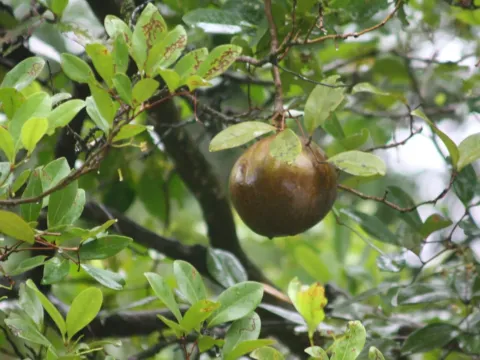
The fruits of Xylocarpus are large, woody capsules containing seeds rich in fatty oils, which are used for various technical and industrial purposes.
The biological importance of this crop also lies in its ability to prevent coastal erosion, serving as a critical buffer for agricultural lands located near the ocean.
Significant threats to Xylocarpus populations are currently linked to rising sea levels and intense human activity along coastal zones.
Wood-boring insects, known as xylophages, represent a major pest category capable of damaging the internal trunk structure and weakening the tree.
Fungal root diseases may develop in areas where stagnant water causes oxygen depletion in heavily silted soil environments.
Widespread deforestation driven by the expansion of aquaculture facilities significantly reduces the available habitat for this species in the wild.
Pollution of coastal waters with industrial chemicals and petroleum products negatively impacts seed germination rates and the survival of young seedlings.