
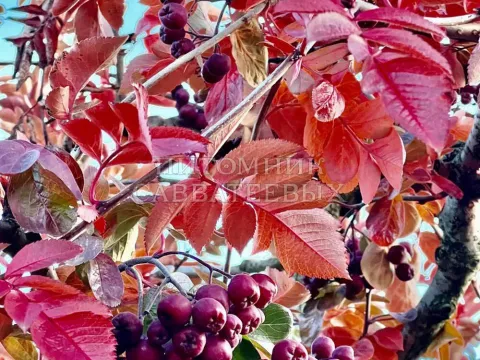
Sorbus-hawthorn
x Sorbocrataegus
Sorbus-hawthorn (x Sorbocrataegus) is an intergeneric hybrid resulting from the cross-breeding of species within the Sorbus (Rowan) and Crataegus (Hawthorn) genera. As a member of the Rosaceae family, it showcases a distinct combination of traits, bridging the gap between the two parental lineages.
What the section contains


Sorbus-hawthorn
This hybrid is highly valued for its robust hardiness and adaptability to various temperate climatic conditions. It thrives in sunny locations with good air circulation, which is essential for ensuring healthy development of the canopy and consistent fruit production over many years.
Soil requirements for the Sorbus-hawthorn are relatively standard for pomaceous fruits: fertile, well-draining loams are preferred. While the plant can tolerate a range of soil types, it performs best in soils with a balanced pH, avoiding sites that are prone to prolonged waterlogging.
Agricultural management involves routine pruning to maintain plant health and shape. Regular pruning not only manages the size of the tree but also allows light to reach the inner branches, which significantly improves the quality and sweetness of the berries during the ripening phase.
In terms of practical utility, the fruits of this hybrid are versatile. They retain the health-promoting phytochemicals of hawthorn while adopting some of the milder flavor profiles of rowan berries, making them an excellent choice for artisanal jams, preserves, and traditional medicinal extracts.
The Sorbus-hawthorn is susceptible to typical pests of the Rosaceae family, including aphids and various leaf-eating caterpillars. These can cause cosmetic damage to foliage and, if left unchecked, may impact the overall vitality of the hybrid tree.
Fungal diseases, such as powdery mildew and various leaf spots, represent a common threat, particularly in damp or humid growing conditions. Proper spacing and airflow are the best non-chemical measures to mitigate these risks in a garden setting.
Monitoring for signs of infestation or infection should be a regular practice throughout the growing season. Early detection of pests allows for localized treatment, avoiding the need for extensive chemical applications on the fruit-bearing plant.
Sanitation practices are critical for the health of this hybrid. Cleaning up debris around the base of the plant in the autumn helps prevent the overwintering of pathogens and harmful insect larvae, ensuring a cleaner start to the spring season.
In cases where severe pest pressure is observed, biological pest control methods or targeted, selective pesticides are recommended to preserve the fruit quality and protect the surrounding environment from unnecessary chemical exposure.