
Docynia
Docynia Decne.
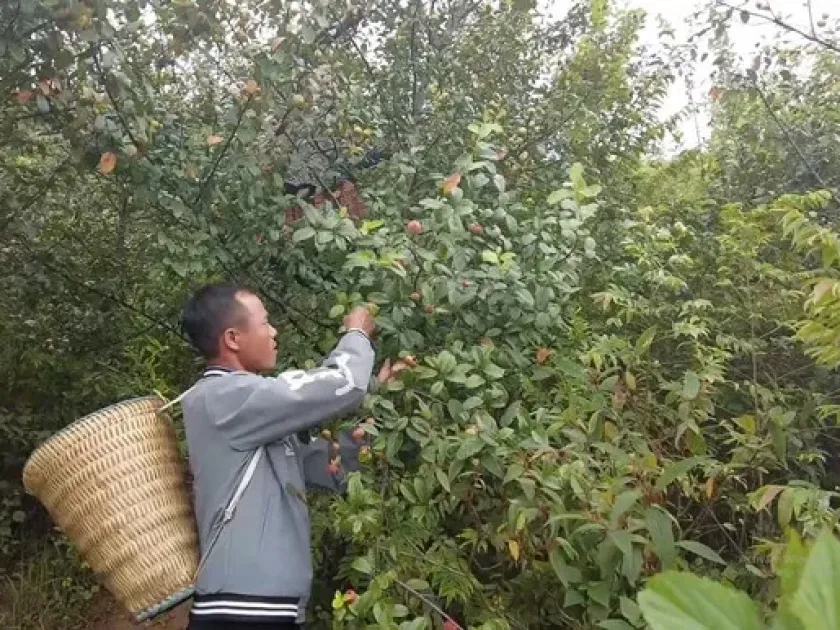
Description
Growing requirements
Docynia is a genus of trees and shrubs belonging to the Rosaceae family, closely related to apples and quinces. These plants are native to the mountainous regions of Southeast Asia, ranging from the Himalayas to the diverse landscapes of China and Vietnam.
The culture thrives in subtropical climates that offer moderate temperatures and consistent moisture levels throughout the growing season. While they can adapt to various altitudes, they prefer sheltered locations that protect them from harsh, dry winds that can damage young shoots.
Successful cultivation requires well-draining, nutrient-rich soil with a slightly acidic to neutral pH. Proper soil structure is essential, as the roots are sensitive to waterlogging, which can lead to rapid decay in poorly managed garden or orchard environments.
Agricultural management involves regular pruning to ensure a balanced canopy structure and to prevent overcrowding of branches. This practice not only improves light penetration but also significantly increases the overall yield and fruit quality by redirecting energy toward fruit development.
In terms of usage, the fruits of Docynia are prized for their firm texture and high pectin content. They are widely processed into jams, jellies, and preserved snacks, providing a unique flavor profile that differentiates them from conventional orchard fruits like pears or standard apples.
Main diseases and pests
Docynia trees are susceptible to common Rosaceae pests, such as aphids, mites, and various types of borers that can penetrate the bark. Early detection and the implementation of physical barriers or targeted biological controls are recommended to prevent infestations from spreading.
Fungal diseases like powdery mildew and scab often represent the greatest threat in humid conditions, requiring a proactive approach to canopy management. Maintaining dry conditions around the trunk and ensuring adequate air circulation are fundamental steps in preventing the onset of these pathogens.