
Wittrockia superba
Wittrockia superba
Description
Growing requirements
Wittrockia superba is an ornamental plant belonging to the Bromeliaceae family, native to the tropical rainforests of Brazil. It is characterized by its large, rosette-forming leaves which provide a striking architectural presence in any interior or greenhouse collection.
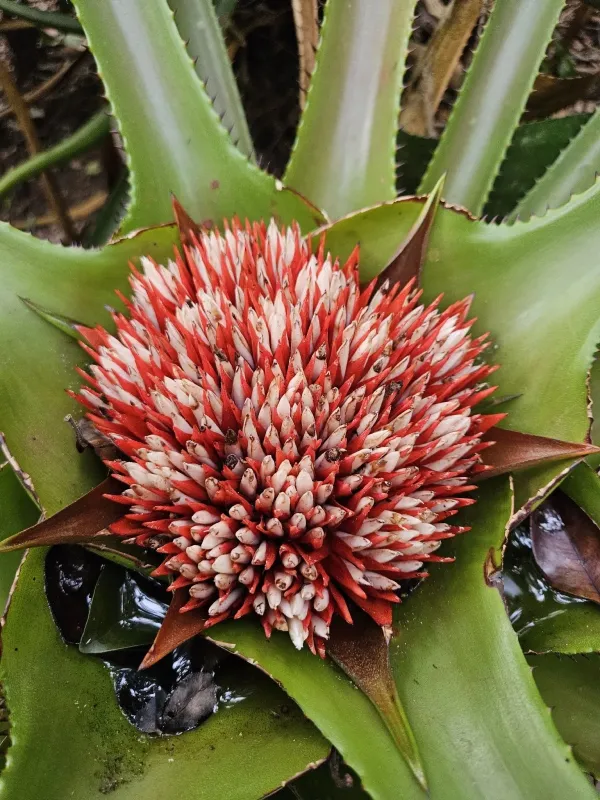
Botanically, the plant features stiff, spine-margined foliage that creates a central tank or urn. This adaptation allows the plant to collect rainwater and nutrients in its natural forest environment, serving as a vital reservoir for its physiological processes.
The cultural requirements demand bright, indirect sunlight to maintain the deep coloration of the foliage and the intensity of the central inflorescence. Insufficient lighting often results in the fading of the signature red or pink hues typical of the species.
Temperature management is critical for the long-term success of the culture. Wittrockia superba prefers consistent warmth, typically between 20°C and 25°C, and must be protected from sudden temperature drops or cold drafts that can induce physiological stress.
The growing medium must be well-draining, mimicking the forest floor or epiphytic conditions. A mixture of pine bark, peat moss, and perlite is highly recommended to ensure proper aeration for the root system and to prevent waterlogging.
Main diseases and pests
Common pests affecting Wittrockia superba include mealybugs and scale insects, which often hide deep within the dense leaf axils. Periodic inspections are essential to prevent infestation and ensure the overall vitality of the rosette structure.
Fungal rots, specifically root and basal rot, represent the primary health threat to this culture. These diseases usually arise from poor drainage, overwatering, or allowing water to remain stagnant in the central rosette during cooler periods.
Effective management requires strict adherence to irrigation protocols and the provision of adequate air circulation. Keeping the environment well-ventilated reduces the incidence of pathogen proliferation significantly.
In case of pest outbreak, targeted insecticidal treatments are necessary. It is crucial to reach all parts of the leaf base where insects typically congregate, ensuring thorough coverage during the application process.
Nutritional maintenance should be approached with caution, using balanced, low-nitrogen fertilizers. Over-fertilization can weaken the plant's structural integrity, making it more susceptible to environmental stressors and opportunistic diseases.