
Wittrockia gigantea
Wittrockia gigantea
Description
Growing requirements
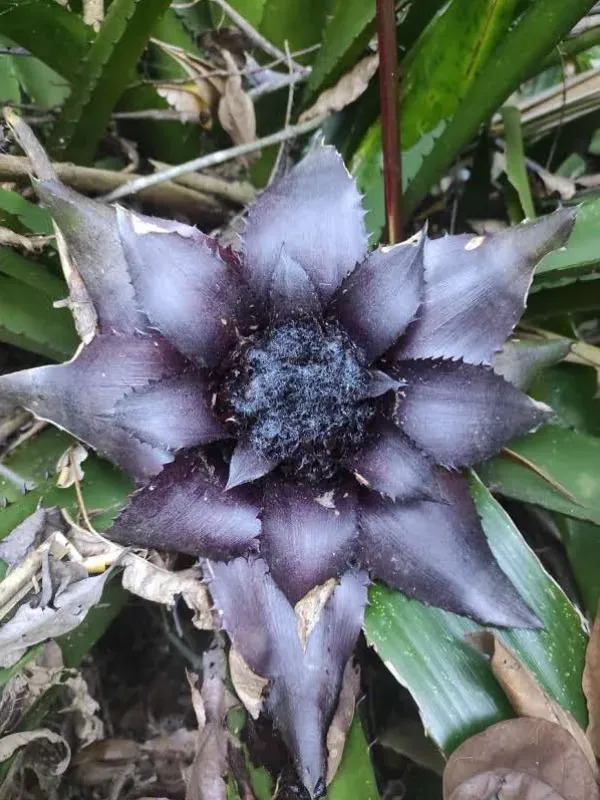
Wittrockia gigantea is a remarkable member of the Bromeliad family (Bromeliaceae). Native to the tropical regions of Brazil, this species is highly valued in horticulture for its impressive size and structural rosette appearance.
The plant features broad, often serrated leaves that form a large central tank designed to capture water and nutrients from the forest canopy, a key survival strategy in its native humid habitat.
Cultivation requires a stable, warm environment with high ambient humidity. It thrives best in temperatures ranging between 20°C and 26°C. Avoid exposing the plant to drafts or significant temperature fluctuations during the growing season.
Regarding soil requirements, Wittrockia gigantea needs a loose, well-draining substrate. A mix of bark, perlite, and high-quality peat moss ensures adequate aeration for the root system, preventing waterlogging.
Light management is essential for leaf coloration and overall plant health. While it prefers bright, indirect sunlight, direct midday exposure should be avoided to prevent leaf scorching and damage to the central tank tissue.
Main diseases and pests
Common pests affecting this species include scale insects and mealybugs. These sap-sucking pests often colonize the hidden crevices of the leaves, necessitating vigilant inspection and early intervention.
Fungal issues, particularly stem and root rot, are usually the result of over-irrigation or improper drainage. Ensuring that the central reservoir is refreshed periodically is vital to prevent bacterial growth.
Prevention is the best strategy against threats. Maintaining good air circulation in the growing space reduces the risk of fungal proliferation and keeps the leaves dry enough to prevent surface-level diseases.
Treatment involves using environmentally safe systemic insecticides for pest control. Always ensure that the product is suitable for delicate bromeliad foliage before applying it across the entire specimen.
Regular sanitation of tools and the growing environment helps maintain a healthy cultivation cycle. By monitoring the plant's growth pattern, growers can catch potential threats before they escalate into major infestations.