
Wittrockia cyathiformis
Wittrockia cyathiformis
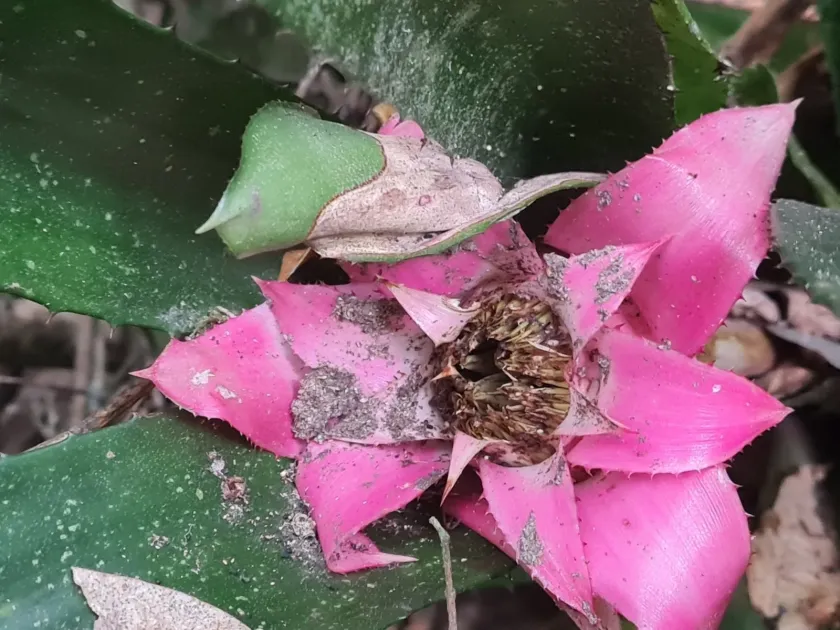
Description
Growing requirements
Wittrockia cyathiformis is a member of the Bromeliaceae family, native to the tropical rainforests of Brazil. It is characterized by its rosette growth pattern, which functions as a natural water reservoir in its native habitat.
The plant thrives in warm, humid conditions with temperatures ranging between 20°C and 26°C. It is intolerant of frost and cold drafts, making it suitable primarily for controlled environments such as greenhouses or interior spaces.
Regarding soil requirements, the species necessitates a well-draining, airy substrate. A standard mix typically includes pine bark, orchid peat, and coarse perlite to prevent root asphyxiation and promote healthy development.
Lighting should be bright but filtered. Direct exposure to intense solar radiation can cause leaf scorching, while inadequate light levels will result in stunted growth and a loss of the deep, natural pigmentation of the foliage.
Maintenance involves frequent misting and maintaining high relative humidity. The central cup (rosette) should be kept partially filled with water, which must be replaced regularly to maintain hygiene and prevent the accumulation of minerals.
Main diseases and pests
The primary threats to this culture are physiological disorders resulting from improper watering. Root rot is the most common issue, usually triggered by excessive substrate moisture combined with poor drainage.
Scale insects are frequent pests that attach themselves to the underside of leaves and stems. These insects extract sap and weaken the plant, often leading to the growth of sooty mold on the foliage.
Mealybugs pose a significant risk due to their ability to colonize the tight spaces within the leaf rosette. Their presence is identified by white, cotton-like masses and yellowing leaf tissues.
Spider mites represent a hazard during periods of low humidity. These microscopic pests thrive in arid conditions, leading to chlorosis and general plant decline if not controlled early.
Effective management strategies include maintaining optimal hygiene, regular inspection of the rosette base, and the use of targeted acaricides or systemic insecticides when infestation occurs.