
Siberian wildrye
Elymus sibiricus L.
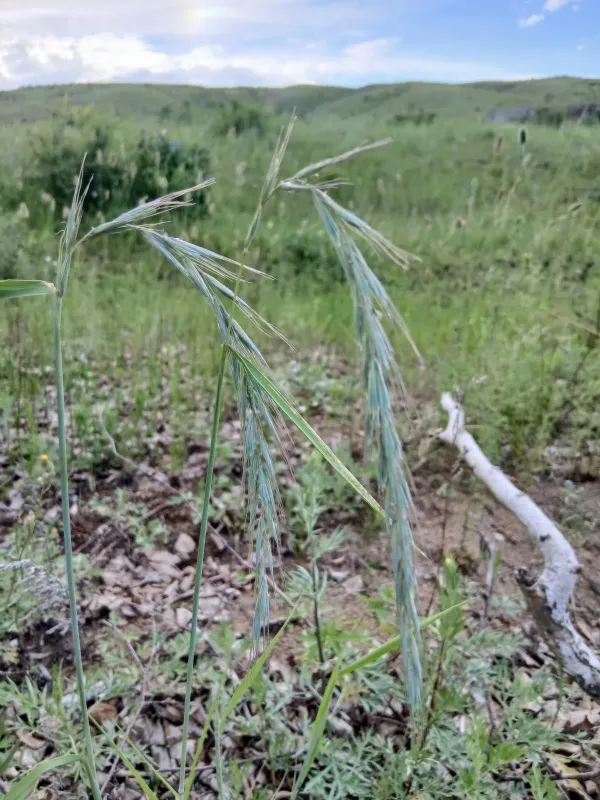
Description
Sowing dates
Siberian wildrye (Elymus sibiricus L.) is a perennial grass species of the Poaceae family, widely recognized for its winter hardiness and ability to thrive in harsh environments. It is a vital crop for hay production and soil conservation in cold, dry climates.
The optimal time for sowing is early spring, which allows the seedlings to establish a deep root system before the onset of high summer temperatures. It can also be sown in late autumn to ensure early emergence when the soil warms up.
The sowing rate should be adjusted based on the intended use and soil moisture availability. Seeds are typically drilled at a depth of 2-3 cm to ensure they reach the moist soil layer necessary for rapid germination.
Post-seeding rolling is highly recommended to improve soil-seed contact, which significantly increases the uniformity of seedling emergence, especially in loose or dry soils.
When used in mixtures, it establishes well with other grasses, creating a highly competitive stand that is both productive and resistant to environmental stressors.
Growing requirements
This grass is highly adapted to continental climates, characterized by cold winters and relatively dry summers. It exhibits exceptional frost resistance, allowing it to survive extreme temperature drops common in its native range.
Siberian wildrye prefers well-drained, fertile soils but is noted for its ability to grow in a wide range of soil types, including sandy, loamy, and slightly saline soils. It is not tolerant of waterlogging or stagnant water.
While relatively drought-tolerant once established, it responds positively to timely irrigation and adequate nutrient availability, particularly phosphorus and nitrogen, which are essential for vigorous biomass growth.
The plant performs best in open, sunny areas where it is not overshadowed by other aggressive species. Adequate sun exposure is essential for maintaining the vigor of the stand over multiple years.
It is an excellent choice for reclamation projects, as its dense root system helps stabilize soil and prevents erosion in regions where other forage grasses might struggle.
Yield
Siberian wildrye is highly valued for its consistent yield of green forage and high-quality hay. Under favorable conditions, it can produce up to 15-20 tons of green mass per hectare in a single season.
One of its major strengths is the ability to produce a productive regrowth after the first harvest, provided that soil fertility and moisture levels remain adequate for the plant to recover.
Seed production yields range from 300 to 600 kg per hectare, depending on local cultivation practices and the specific environmental conditions during the growing season.
The peak productive life of the stand is typically observed during the second through the fourth year of cultivation. Maintaining soil fertility through periodic fertilization helps sustain these high yields longer.
The forage quality remains high, particularly if harvested at the boot to heading stage, making it a reliable source of nutrition for cattle and sheep throughout the winter season.
Main diseases and pests
Common diseases affecting Siberian wildrye include powdery mildew and various leaf rusts, especially in regions with high humidity or stagnant air. Proper spacing and airflow management help mitigate these issues.
Pests such as grass flies and stem borers can pose a threat, particularly during the early growth stages, as they target the developing stems and reduce plant density.
Competition from aggressive weed species can be a major issue in the first year. Effective weed control measures, such as mechanical cultivation or pre-emergent treatment, are critical for stand establishment.
Long-term stand decline can occur if the grass is grazed too heavily or harvested too frequently without providing a recovery period, which weakens the root system.
Using certified, clean seed and practicing rotational cropping are the most effective ways to avoid the accumulation of soil-borne pathogens and long-term pest pressure.
Harvesting
The harvest for hay should be timed for the boot to early heading stage. Harvesting at this time ensures the best balance between total yield and the nutritional density of the biomass.
Modern equipment, such as mower-conditioners, is recommended to speed up the drying process and preserve the leaf structure and nutrient value of the grass.
When harvesting for seed, timing is critical to prevent shattering losses. Harvesting when the lower parts of the seed head begin to brown ensures optimal maturity and quality.
Proper curing of hay is essential; it should be stored in dry, well-ventilated conditions to prevent mold and nutrient loss, ensuring its quality is preserved for winter feeding.
After the seeds have been harvested, the remaining straw can be baled and used as low-quality bedding or fiber, maximizing the economic output of the entire crop cycle.