
White wall-rocket
Diplotaxis erucoides (L.) DC.
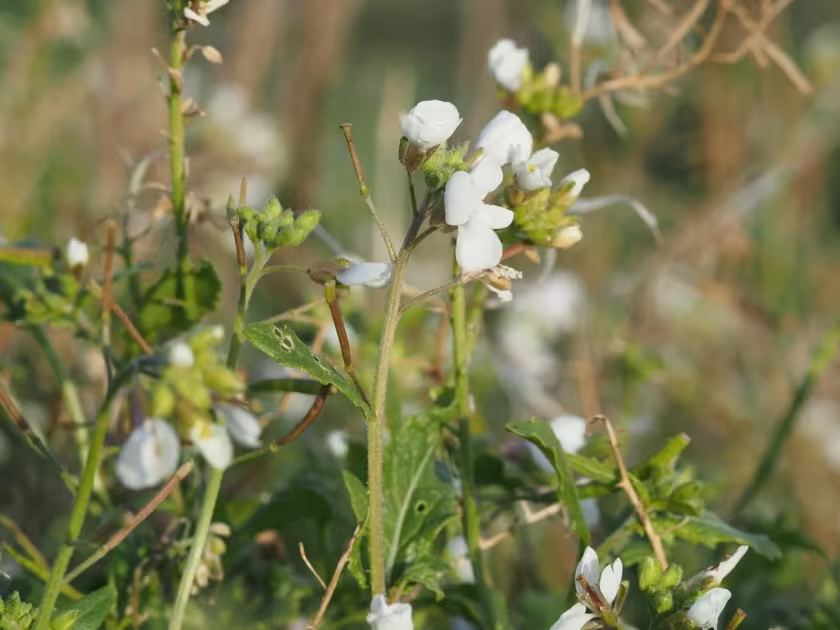
Description
Sowing dates
White wall-rocket, botanically known as Diplotaxis erucoides, is an annual plant belonging to the Brassicaceae family. It is a fast-growing leafy vegetable that is typically sown in early spring once the soil temperature is suitable for germination.
For consistent production, successive sowing is highly recommended. Seeds should be planted at intervals of 15 to 20 days to ensure a continuous supply of fresh, tender leaves throughout the entire growing season.
The seeds are quite small and should be sown at a shallow depth of approximately 1 cm. Proper soil contact is essential; thus, gently pressing the soil after sowing can significantly improve the uniformity of seedling emergence.
Row spacing should be maintained at about 20–25 cm. This allows for sufficient air circulation, which is crucial for reducing humidity around the foliage and preventing fungal issues during the growth period.
The plant demonstrates high vigor, with seedlings usually appearing within 7–10 days under optimal moisture and temperature conditions. Self-seeding may occur if the plants are left to bolt, which should be managed in commercial setups.
Growing requirements
This crop performs best in well-drained, fertile soils with a neutral pH. It is sensitive to soil acidity, so liming might be necessary for fields where pH levels are too low to support vigorous growth.
White wall-rocket thrives in full sunlight, which encourages the development of a strong, spicy flavor profile. While it shows some tolerance to drought, regular irrigation is vital for producing succulent leaves.
Temperature management is key; the plant prefers cool to moderate climates. Extreme heat often triggers rapid bolting, causing the plant to prioritize flower production over leaf development, which significantly decreases crop quality.
Soil structure should be loose and well-aerated to support the plant's root system. Incorporating well-rotted organic matter before sowing can improve soil moisture retention and nutrient availability.
Crop rotation is essential for this species. It should not be grown in plots previously occupied by other Brassicaceae members to avoid the buildup of soil-borne pests and diseases common to the cabbage family.
Yield
The yield of white wall-rocket depends heavily on management intensity. With proper irrigation and weed control, growers can expect to harvest 1.5 to 3 kg of fresh produce per square meter per cut.
Because the crop is capable of regrowth, multiple harvests are possible from a single sowing if the cutting height is managed correctly and nutrient levels are sufficient to support vegetative recovery.
Yield quality is highest when the plant is harvested in the rosette phase. Once the plant begins to transition into the reproductive stage, the leaves become tougher and more bitter, losing their culinary value.
Optimal planting density is critical for maximizing output. Aiming for a balanced stand helps to achieve consistent leaf size and reduces the labor required for harvesting and cleaning the produce.
Environmental stress, such as prolonged heat or water deficiency, will significantly lower the total biomass yield, making consistent irrigation management the most influential factor in yield stability.
Main diseases and pests
The most common pest for this crop is the flea beetle, which can cause significant damage to young leaves during warm, dry weather conditions, necessitating protective measures like row covers.
Fungal diseases such as downy mildew and clubroot can become problematic in areas with poor drainage or excessive humidity. Proper field sanitation is the primary defense against these pathogens.
Aphids and cabbage worms may also inhabit the foliage. Regular monitoring is necessary to detect infestations early, allowing for timely intervention with biological or low-toxicity controls.
Weed control is essential during the early stages of growth to prevent competition for nutrients and space. Cultivation should be shallow to avoid disturbing the young root system of the crop.
Prevention through healthy soil management, balanced fertilization, and strictly avoiding moisture buildup on the foliage is the most effective strategy for minimizing the impact of potential diseases.
Harvesting
Harvesting should be performed manually by cutting the leaves a few centimeters above the soil level. This method preserves the crown of the plant, allowing it to produce new leaves for subsequent harvests.
The best time for harvesting is early in the morning when the leaves are fully turgid. This significantly increases the shelf life and quality of the produce compared to afternoon harvests.
After cutting, the produce should be cleaned and chilled immediately. Exposure to direct sunlight and high temperatures after harvest will cause rapid wilting and flavor degradation due to the loss of volatile compounds.
For storage, the leaves should be kept in a high-humidity, cold environment (1–3°C). Perforated packaging can help maintain the required environment while allowing for necessary gas exchange to keep the product fresh.
Prompt processing and transport to market are essential for white wall-rocket, as its shelf life is relatively short compared to other leafy greens, making efficient logistics a key part of the production cycle.