
Diplotaxis viminea
Diplotaxis viminea (L.) DC.
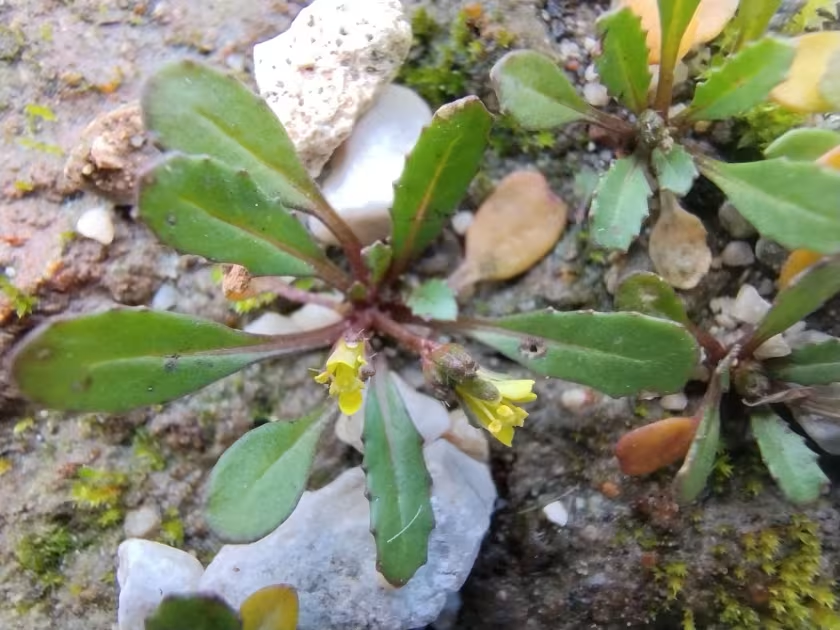
Description
Sowing dates
Diplotaxis viminea is typically sown in early spring as soon as the soil is workable and temperatures consistently stay above the frost threshold.
The seeds are small and should be sown at a shallow depth of approximately 0.5 cm in well-prepared, fine-textured garden soil.
For a continuous supply of fresh salad greens, growers use successional sowing, planting new rows every two to three weeks throughout the growing season.
Optimal germination occurs at soil temperatures around 15°C, ensuring rapid emergence and establishment of the young seedlings within ten days.
Proper row spacing, usually about 20–30 cm apart, is essential to provide adequate air circulation and space for leaf expansion during the growth phase.
Growing requirements
This crop thrives in sunny locations but can tolerate partial shade, which may actually help slow down bolting during hot summer months.
It prefers well-drained, fertile soil rich in organic matter, with a pH level between 6.0 and 7.5 for optimal nutrient availability.
Regular irrigation is vital to maintain consistent soil moisture, which prevents the leaves from becoming excessively spicy or tough in texture.
The crop does not tolerate waterlogging, so ensuring good drainage is a prerequisite for preventing root-related diseases and plant wilting.
Fertilization should be balanced, with a focus on nitrogen to support lush foliage production, applied at the beginning of the growth cycle.
Main diseases and pests
Cruciferous flea beetles are the most significant pest, frequently attacking young seedlings and creating numerous small holes in the foliage.
Slugs and snails can cause substantial damage in damp environments, particularly when seedlings are small and highly vulnerable to grazing.
Fungal diseases such as downy mildew and leaf spot can emerge in overcrowded conditions with poor air circulation, particularly during humid weather.
Root rot caused by various soil-borne pathogens can occur if drainage is insufficient, leading to yellowing and stunted plant growth.
Effective management strategies include the use of floating row covers to exclude insect pests and adhering to strict crop rotation practices.
Harvesting
Harvesting usually begins 30 to 50 days after sowing, once the plant has formed a substantial rosette of mature, tender leaves.
Selective harvesting of individual outer leaves is a common practice, allowing the central part of the plant to continue growing for multiple harvests.
For high-quality production, it is best to harvest during the cool morning hours, which helps the leaves maintain freshness and superior flavor.
Immediate post-harvest cooling is crucial to remove field heat and ensure that the leaves remain crisp and marketable for a longer period.
After processing and cleaning, the greens should be stored at temperatures between 1°C and 4°C to maximize shelf life and nutrient retention.