
Kale
Brassica oleracea L. (White Cabbage Group)
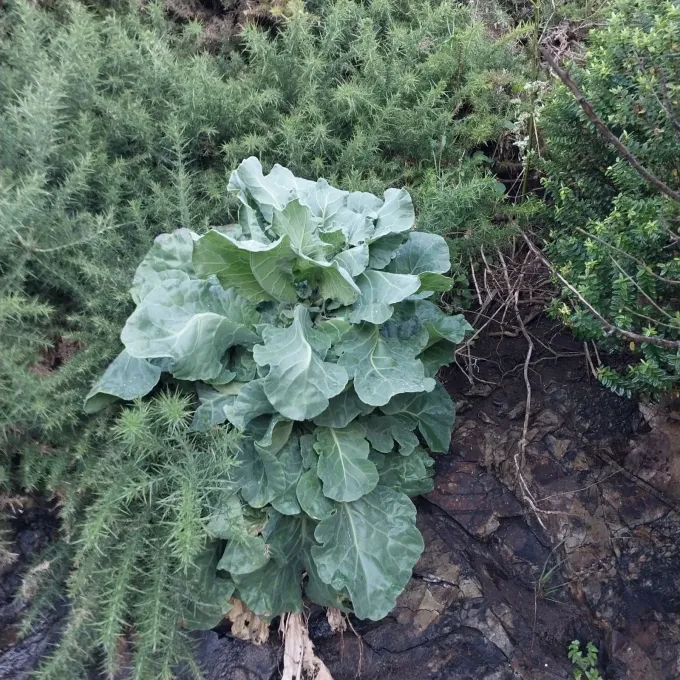
Description
Sowing dates
Kale (Brassica oleracea) belongs to the Brassicaceae family. In temperate climates, seeds are typically sown directly into the soil in early spring once temperatures reach 10–12°C, or in late summer for a bountiful autumn harvest.
For an early crop, starting seeds indoors in trays 30–45 days before the last frost date is highly effective. This method ensures a strong, established root system before transplanting the seedlings into the garden bed.
Optimal spacing depends on the specific variety, but a general rule of thumb is to place plants 40–50 cm apart. Adequate spacing is crucial for airflow and prevents the development of fungal diseases caused by humidity.
Seeds germinate even at soil temperatures as low as 3–5°C, although the ideal range for active development is between 16–20°C. When sowing, cover seeds with 1–1.5 cm of soil and keep the surface consistently moist.
Kale is a highly resilient plant. By practicing successional planting every 2–3 weeks, gardeners can ensure a continuous supply of fresh, nutritious leaves throughout the entire growing season.
Growing requirements
Kale thrives in sunny locations with fertile, well-draining soil. It prefers a neutral pH between 6.0 and 7.0; acidic soil should be amended with lime to prevent the risk of clubroot, a common and devastating disease.
As a cold-hardy vegetable, kale can withstand light frosts down to -5…-7°C, which often enhances the flavor by converting starches into sugars. Conversely, prolonged heat above 25°C may stunt growth and lead to bitter leaves.
Consistent irrigation is vital for the development of tender foliage. Drought-stressed plants tend to become tough and develop a strong bitter taste, so maintaining moisture in the root zone is key to quality.
The crop responds well to organic matter, such as well-rotted compost or manure, incorporated into the soil before planting. Supplemental nitrogen feeds during the growth phase promote lush, rapid leaf production.
Crop rotation is essential for long-term soil health. Avoid planting kale in the same spot where other brassicas (such as cabbage, broccoli, or mustard) have grown within the past 3–4 years to minimize the buildup of soil-borne pathogens.
Yield
Total yield is heavily influenced by the harvesting technique. By picking only the outer, mature leaves and allowing the central terminal bud to continue growing, the plant can produce a steady harvest until the deep winter.
Under optimal conditions, yields can reach 2–5 kg per square meter. The final weight depends heavily on the variety, soil fertility, and the intensity of care provided throughout the vegetative stage.
High-yield hybrids are often preferred by commercial growers for their vigor and environmental stress tolerance. Using organic mulch helps retain soil moisture, which can increase overall biomass production by up to 20%.
Intensive growing methods, including drip irrigation and regular fertilizing, can significantly boost the productivity of a kale patch. Effective weed management is also necessary to ensure resources are dedicated entirely to the crop.
Selective harvesting is the best way to maximize yield. Avoid removing more than one-third of the total leaf canopy at any single harvest to ensure the plant retains enough energy to continue developing new growth.
Main diseases and pests
Flea beetles are the most prominent threat to young kale plants, often creating tiny holes in the leaves of seedlings and potentially destroying the crop early in the season.
Caterpillars of the cabbage white butterfly and various cabbage loopers can cause severe damage. Regular inspection for eggs and manual removal or the use of safe organic sprays can keep these populations in check.
Clubroot is a serious fungal disease characterized by gnarled roots and poor plant health. It thrives in acidic, waterlogged soils, making proper soil pH management the primary method of prevention.
Downy mildew and alternaria leaf spot often occur in humid, crowded conditions. Providing adequate space and ensuring good air circulation between plants is the most effective way to prevent these issues.
Floating row covers provide an excellent physical barrier against pests, allowing kale to grow without the need for frequent pesticide intervention, ensuring a cleaner, safer harvest.
Harvesting
Harvesting usually begins 50–70 days after germination, once the plant has established a robust rosette of developed leaves that are large enough for consumption.
For the best experience, harvest leaves individually starting from the bottom of the stalk. This cut-and-come-again method provides the freshest possible produce and encourages the plant to maintain high productivity.
Younger, tender leaves are ideal for salads, while more mature, slightly tougher leaves are perfect for steaming, stir-frying, or adding to hearty soups and stews.
Kale leaves are at their sweetest after exposure to the first few light frosts of autumn. Harvest can safely continue as long as the leaves maintain their structure and are not showing signs of decay.
Once harvested, kale should be cooled immediately to prevent wilting. Because it is highly perishable, it is best stored in a refrigerator for no more than a few days to preserve its texture and nutrient content.