
Volutaria sinaica
Volutaria sinaica
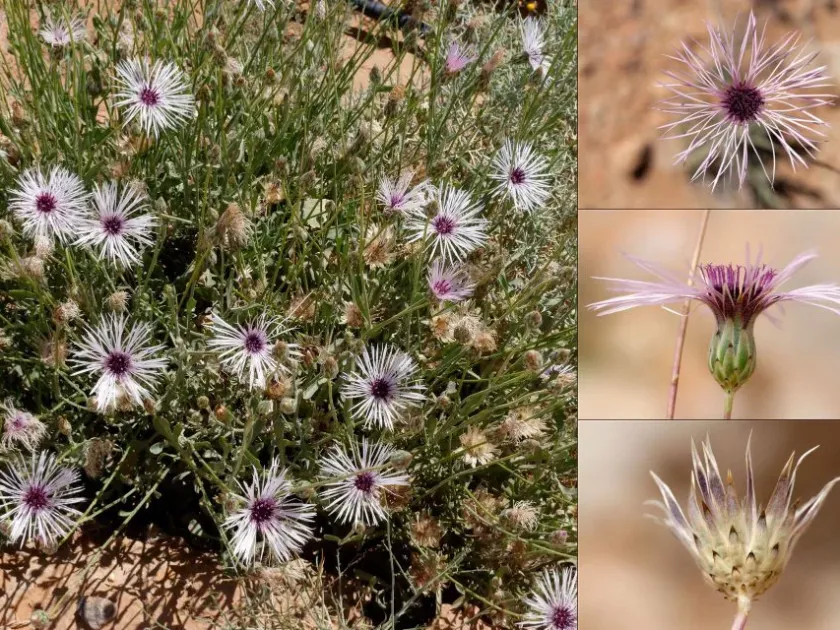
Description
Sowing dates
Volutaria sinaica is an ephemeroid plant that has adapted to short periods of favorable conditions in desert ecosystems. In its natural environment, seeds germinate immediately after winter or early spring rains occur.
When cultivating in controlled conditions or during introduction attempts, sowing should be done directly into the open ground as soon as the soil warms up. Ensuring sufficient moisture in the substrate is crucial at the initial stage for successful seed germination.
The sowing depth must be kept to a minimum because the small seeds have limited energy reserves. The optimal time for planting is the period immediately preceding the natural rainy season in the cultivation region.
Seed pretreatment, which mimics the destruction of growth inhibitors, can be used to accelerate germination. Maintaining proper sowing density is critical, as the plant develops an extensive root system to compete for resources.
After emergence, the plants proceed through developmental stages rapidly to complete their life cycle before the onset of extreme drought. The growth season is extremely compressed, making this culture a unique subject for selection and breeding.
Growing requirements
The plant belongs to the Asteraceae family and is a typical representative of the flora of arid zones, including the Sinai Peninsula and surrounding territories. It exhibits exceptional resistance to high levels of insolation and extreme temperatures.
This crop prefers well-drained sandy or stony soils with low humus content. Heavy clay substrates are unsuitable for this species due to the risk of root waterlogging, which quickly leads to decay.
Requirements for mineral nutrition are minimal as the species is adapted to poor desert soils. However, to increase vegetative mass for agricultural purposes, small doses of nitrogen fertilizers may be applied during the early developmental phases.
Volutaria sinaica is an obligate heliophyte, requiring intensive sunlight throughout the entire day. Any shading negatively impacts growth rates and the plant's ability to form reproductive organs.
For successful development, a specific temperature regime with significant fluctuations between day and night is necessary. The plant is capable of efficiently utilizing night dew, which is a key survival factor in arid environments.
Main diseases and pests
The main threat to Volutaria sinaica is fungal diseases of the root system, caused by poor soil aeration and waterlogging. Pathogens that induce root rot thrive when stagnant water is present in the rhizosphere.
Under high humidity conditions, plants may become susceptible to powdery mildew, which significantly reduces the photosynthetic activity of the leaves. Prevention relies on strictly controlled irrigation and effective soil drainage.
Among pests, sucking insects like aphids and spider mites are the most dangerous, as they reproduce rapidly during dry spells. They often damage tender basal rosettes and young flowering stalks.
The presence of soil pests, such as larvae of certain coleopteran species, can also damage the root system. Control requires the application of biological or chemical measures approved for local use.
Weed control is an essential aspect of cultivation, as competing plants can easily suppress the growth of Volutaria sinaica in the early stages. Maintaining a clean field is a prerequisite for the success of this sensitive crop.