
Vincetoxicum scandens
Vincetoxicum scandens
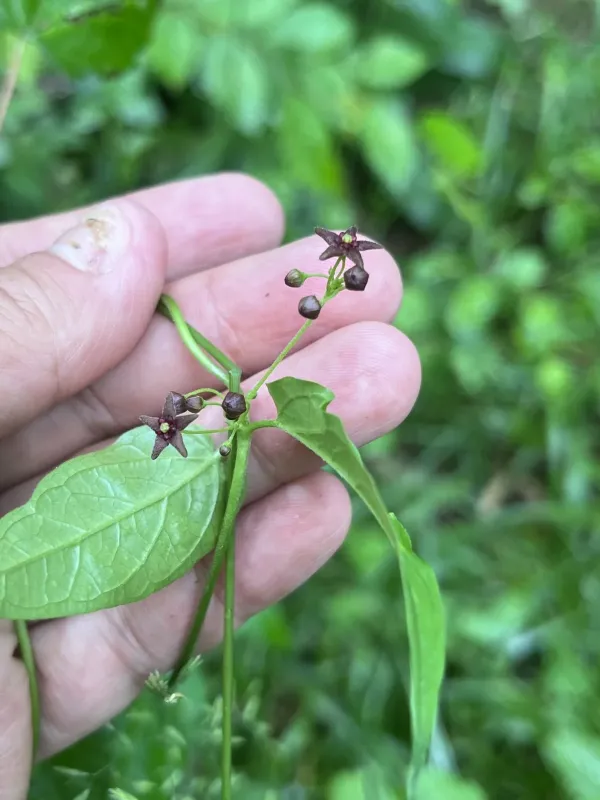
Description
Growing requirements
Vincetoxicum scandens is a perennial herbaceous climber belonging to the Apocynaceae family. This species is recognized for its twining stems that require structural support to thrive and develop its characteristic vegetative mass.
The plant prefers warm temperate climates with adequate access to sunlight. While it exhibits some tolerance for partial shade, full exposure promotes better growth and increases the production of active chemical compounds in the tissues.
Soil requirements are centered on fertility and drainage. The ideal substrate is a loam or sandy loam with a neutral pH, ensuring that the root system is protected from prolonged waterlogging which can lead to rapid decay.
In terms of agricultural techniques, providing vertical supports such as trellises is essential for commercial production. This method allows for better airflow, improves sunlight penetration, and simplifies the harvesting process.
The economic value of this species is primarily found in its pharmaceutical potential. It is utilized in various herbal formulations due to its specific phytochemical profile, which is highly regarded for its potential therapeutic effects.
Main diseases and pests
Common threats to Vincetoxicum scandens include fungal infections, particularly those affecting the root zone. High humidity and poor soil ventilation are the primary catalysts for such issues, often leading to significant losses.
Pests like aphids and spider mites are frequent invaders of the tender foliage. These insects can cause severe stress to the plant, reducing its vigor and impacting the total harvest volume of medicinal raw material.
Integrated pest management, including regular scouting and the use of eco-friendly insecticidal soaps, is recommended to control populations without compromising the medicinal quality of the plants.
Preventative measures against diseases include strict crop rotation protocols and ensuring adequate spacing between individual plants to prevent the buildup of stagnant, humid air pockets.
Monitoring the health of the plants throughout the entire vegetative period is crucial. Prompt identification of pests or symptomatic foliage allows for early intervention, ensuring the sustainability of the crop.