
Vincetoxicum japonicum
Vincetoxicum japonicum
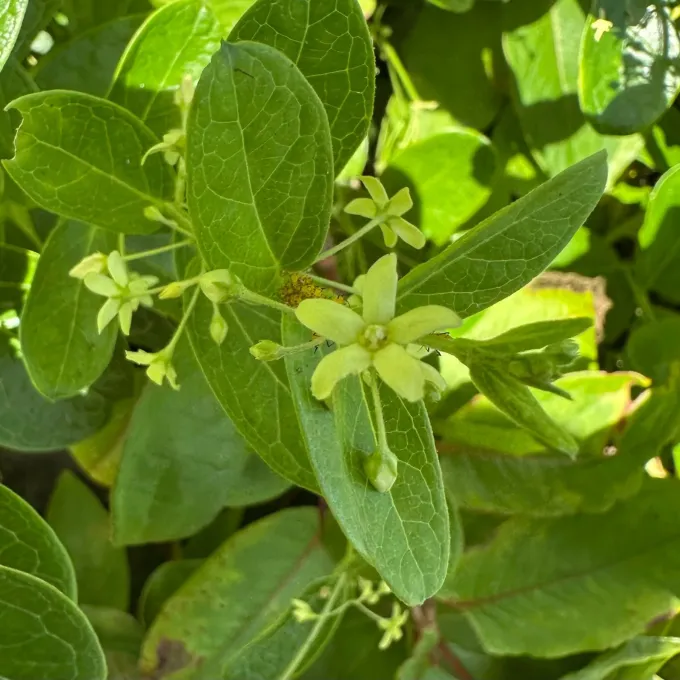
Description
Sowing dates
The optimal time for sowing Vincetoxicum japonicum is in the autumn, as seeds typically require a cold stratification period to achieve high germination rates.
If sowing in the spring, it is necessary to subject the seeds to artificial cold storage at low temperatures for at least two months before planting.
Seeds should be placed at a depth of about 1–2 cm in well-drained, fertile soil, ensuring they are spaced correctly to avoid overcrowding.
The germination period can be extended, so the seedbed should be kept consistently moist but not waterlogged to support the emerging seedlings.
Early-stage weed management is critical, as young Vincetoxicum plants are slow-growing and can be easily outcompeted by aggressive weeds.
Growing requirements
Vincetoxicum japonicum belongs to the Apocynaceae family and is recognized as a hardy, herbaceous perennial with a significant root network.
The plant thrives in full sun but maintains good vigor in partial shade, provided it receives sufficient light to stimulate physiological development.
Well-drained, sandy loam soils with a neutral pH are ideal for cultivating this species, as high clay content often restricts root growth.
This crop is naturally cold-hardy, allowing it to withstand winter dormant periods in temperate climates without requiring specific insulation.
While drought-tolerant once established, supplemental irrigation is recommended during the peak growth season to maximize biomass production.
Yield
The harvestable yield of Vincetoxicum japonicum peaks when the plantation reaches its third year of maturity, allowing for a stable supply of raw material.
The primary agricultural output is the aerial biomass, which is harvested for its specific glycoside content used in phytomedicine applications.
Under favorable conditions, crop yields can reach several tons per hectare, assuming that nutrient levels and moisture are carefully managed.
Root harvesting is an alternative practice that provides concentrated active compounds, though it results in the removal of the plant stand.
Farmers should monitor the growth rate during the second year to assess if the stand density is sufficient for an economical harvest.
Main diseases and pests
Root rot is the most common threat to this species, usually caused by poor drainage and excessive moisture during the summer months.
Fungal diseases like powdery mildew can appear if airflow is insufficient, requiring proper spacing between rows to facilitate natural ventilation.
Aphids and slugs represent the most frequent pest challenges, which may require monitoring and the use of integrated pest control methods.
Maintaining a clean field environment by removing old plant debris helps minimize the survival of overwintering spores and insect larvae.
Strategic field layout, including wider row spacing, helps reduce humidity levels around the foliage, effectively discouraging most fungal pathogens.
Harvesting
Harvesting should be conducted during the peak flowering stage to ensure the highest concentration of active compounds is extracted from the leaves and stems.
The aerial parts are clipped carefully, leaving a sufficient portion of the stem near the base to protect the crown and support future regrowth.
Post-harvest processing involves immediate drying in a shaded, well-ventilated area to prevent degradation of the plant's chemical structure.
Temperature control during the drying process is essential; keeping levels below 45 degrees Celsius ensures the preservation of the plant's medicinal integrity.
Once dried, the plant material must be stored in airtight, moisture-proof containers in a cool, dark location to prolong shelf life.