
Vincetoxicum indicum
Vincetoxicum indicum
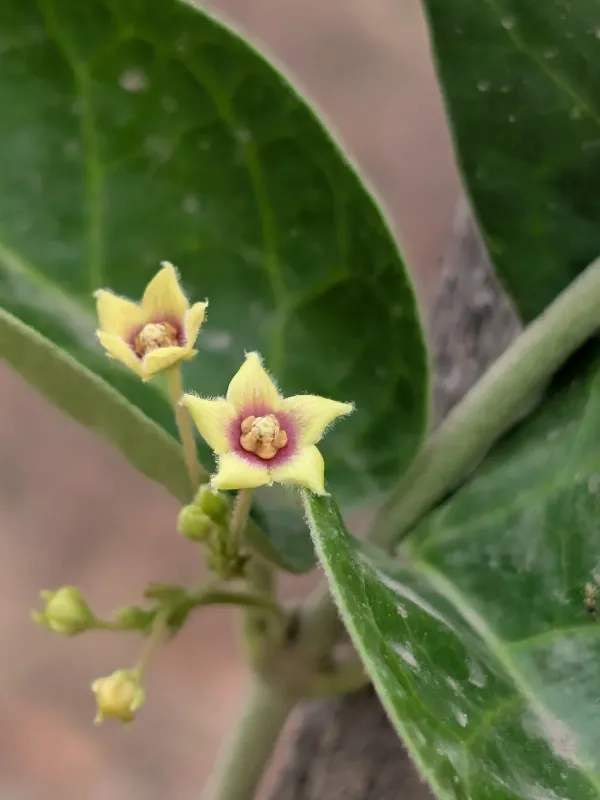
Description
Sowing dates
Sowing of this crop typically aligns with the onset of the wet season, which provides the necessary hydration for successful germination and early plant development.
When cultivating in controlled settings, seeds should be sown in a well-draining potting medium at a depth of 1–2 centimeters to ensure optimal soil contact.
Maintaining a temperature range of 22 to 26 degrees Celsius is crucial for consistent and uniform germination rates in greenhouse conditions.
Vegetative propagation via cuttings is a common practice, requiring high humidity levels and rooting hormones to establish a strong root system effectively.
Establishing a proper planting density is essential for yield optimization, with spacing recommendations varying based on the desired final biomass output.
Growing requirements
Belonging to the Apocynaceae family, Vincetoxicum indicum is a tropical perennial that thrives in environments with balanced moisture and plenty of sunlight.
The crop requires fertile, loose, and well-draining soil types; heavy clay soils should be amended with organic matter to improve aeration for the roots.
Sunlight exposure is a primary requirement, as adequate photosynthetic energy is needed for the production of the plant's secondary metabolites.
Irrigation management is vital, particularly during the dry periods, to prevent water stress that can negatively impact the overall vigor of the plants.
Agricultural maintenance involves regular weeding and light tillage of the soil surface to enhance oxygen levels in the rhizosphere for healthier growth.
Main diseases and pests
Common pests affecting this crop include aphids and whiteflies, which tend to congregate on the undersides of leaves and can stunt vegetative development.
Root rot caused by stagnant water or poor drainage is a significant threat, often leading to the rapid decline of plant health in poorly managed fields.
Leaf spot diseases are occasionally observed during periods of high humidity and poor ventilation, necessitating adequate spacing between individual plants.
Integrated pest management strategies are recommended, focusing on the use of beneficial insects and biological agents to minimize chemical residue on the crop.
Regular sanitation of tools and the removal of infected plant debris help to maintain a healthy ecosystem and prevent the spread of soil-borne pathogens.