
Vestia
Vestia
Vestia (Latin: Vestia) is a monotypic genus of shrubs belonging to the nightshade family, Solanaceae. Its sole species, Vestia foetida, is native to the coastal and central regions of Chile, where it thrives in specific ecological niches.
What the section contains

Vestia
The plant requires a cool and temperate climate with high humidity. It is not fully hardy in harsh winters, meaning it should be sheltered or managed as a container plant in regions prone to heavy frost and freezing temperatures.
For optimal growth, the soil must be fertile, well-drained, and slightly acidic to neutral. Excessive moisture stagnation is detrimental to the root system, making proper soil structure and drainage management essential for its survival.
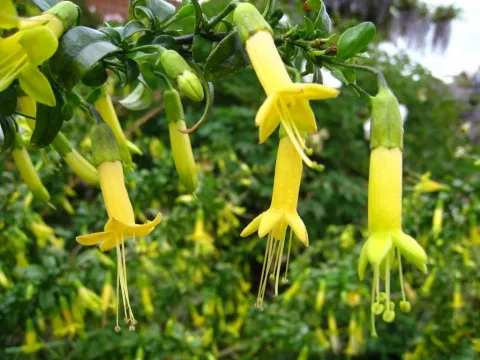
Botanically, the plant is recognized by its lanceolate, evergreen leaves and distinctive tubular, yellow-green flowers. When crushed, the leaves emit a pungent smell, which is a key identifying characteristic of the species.
In terms of human use, Vestia is predominantly utilized in horticulture and landscape architecture. Its unique morphology makes it a desirable specimen for ornamental gardens, conservatories, and large indoor greenhouse collections.
Common pests affecting Vestia include spider mites, aphids, and whiteflies, especially when grown in indoor environments where air circulation may be limited or humidity levels fluctuate significantly.
Fungal diseases, including powdery mildew, represent a significant threat to the plant's health. These issues often arise due to poor ventilation and excessive moisture on the foliage, which creates a conducive environment for pathogen spread.
Effective management strategies include routine monitoring of the plant, ensuring adequate spacing between specimens to promote airflow, and applying appropriate fungicidal or insecticidal treatments when necessary.
Maintaining balanced soil nutrition is vital for plant vigor. Weakened plants are significantly more susceptible to both pest infestations and bacterial or fungal infections that can compromise the plant structure.
Growers should prioritize the health of the root system by monitoring irrigation practices. Root rot is a major threat that can lead to rapid decline, making the prevention of waterlogged soil a top priority in routine care.