
Vesper purpurascens
Vesper purpurascens
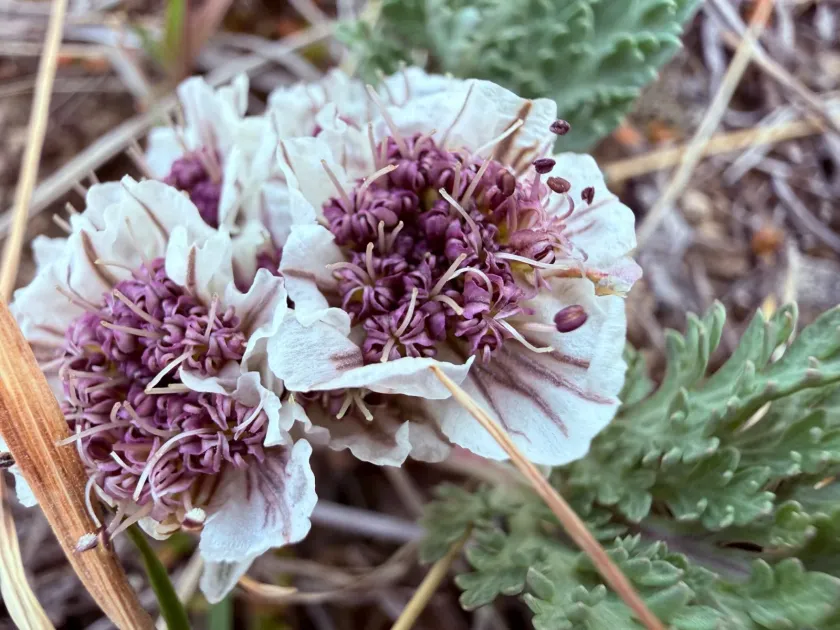
Description
Sowing dates
Vesper purpurascens is a distinct member of the Iridaceae family, requiring careful attention during the germination phase to ensure healthy plant development.
Sowing should take place in early spring after the risk of severe frost has passed and the soil has sufficiently warmed to promote rapid seed activation.
Seeds require a period of stratification to break dormancy; placing them in a cool, moist environment for several weeks significantly improves overall germination rates.
When sowing, cover the seeds with a thin layer of light, porous soil, ensuring they remain close to the surface to benefit from necessary light exposure.
Maintaining consistent moisture in the seedbed without waterlogging is crucial during the initial three weeks until the first true leaves appear.
Growing requirements
This species thrives in full sun, requiring at least six to eight hours of direct exposure daily to maintain its vigor and promote prolific flowering.
Well-draining, sandy-loam soils are ideal for Vesper purpurascens, as the plant is highly susceptible to root rot if left in saturated soil conditions.
The optimal soil pH range is between 6.5 and 7.5, providing the necessary mineral availability for the plant to sustain its metabolic processes.
While the plant is relatively drought-tolerant once established, supplemental irrigation is recommended during prolonged dry spells to support bud formation.
Good air circulation is essential; planting in areas with high humidity or stagnant air increases the risk of fungal pathogens significantly.
Yield
The yield of Vesper purpurascens is measured by the number of flowering stalks and the quality of harvested seeds produced during the peak season.
Proper nutrient management, specifically the use of balanced, slow-release fertilizers in the spring, contributes to higher vegetative and reproductive output.
Mature plants, usually in their third year of growth, exhibit the highest yield potential, producing strong stalks that are uniform in height and bloom quality.
Environmental factors, including day length and heat accumulation, are primary drivers of successful seed maturation and overall biological productivity.
Regular maintenance, including the removal of spent flowers, directs the plant's energy towards root development, further enhancing growth for the subsequent year.
Main diseases and pests
Fungal issues such as leaf spot and root rot are the primary threats, especially in environments where drainage is insufficient and humidity is high.
Pests like aphids and spider mites frequently target the tender new growth, necessitating regular monitoring and timely application of insecticidal soaps.
Slugs and snails can cause substantial damage to emerging seedlings, requiring the use of protective barriers or eco-friendly baits to prevent early losses.
Viral infections can manifest as mottled leaves or stunted growth; affected plants should be promptly removed and destroyed to prevent spreading.
Maintaining a clean growing area by clearing debris and weeds reduces the habitat for potential pests and minimizes the accumulation of fungal spores.
Harvesting
Seed harvesting should be performed when the pods are fully brown and begin to split open, ensuring that the seeds have reached physiological maturity.
For decorative applications, stems should be harvested when buds are in the tight color stage, allowing them to open gradually in a vase environment.
After harvest, seeds must be thoroughly dried in a well-ventilated, shaded location to prevent any residual moisture from causing spoilage during storage.
When dividing rhizomes, ensure the work is done in the late summer dormancy period to allow the plant sufficient time to recover before the next cycle.
Tools used for harvesting or pruning should be disinfected between plants to ensure that any potential diseases are not transmitted across the growing plot.